


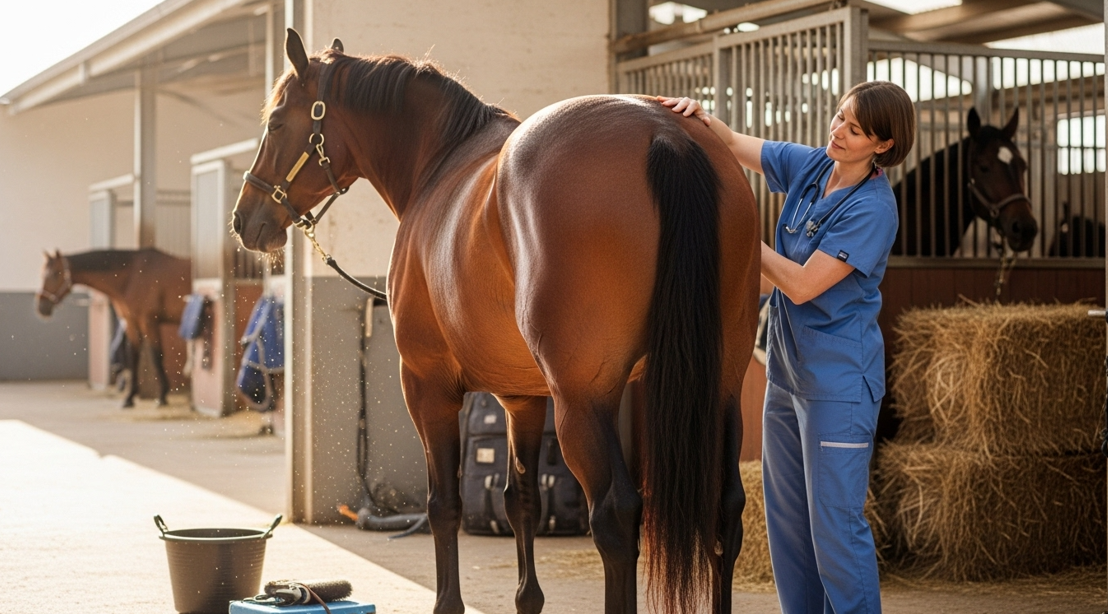
Did you know that proper recovery is just as crucial as the training itself when it comes to equine performance? When horses undergo intense training sessions, their bodies experience significant stress that requires specialized attention. We’ve seen firsthand how effective recovery protocols can transform a horse’s overall performance and longevity in competition. With over 20 years of combined experience in equine health and therapy, our team understands that performance recovery for horses involves multiple approaches working together.
The benefits of implementing proper recovery techniques are substantial. These include rapid inflammation reduction after training, enhanced blood circulation that supports cellular repair, and relief from joint and tendon pain.
In this comprehensive guide, we’ll explore the most effective recovery methods for your equine athletes, how to create personalized recovery plans, and ways to monitor progress over time. Our treatments are rooted in the latest veterinary research and trusted by leading equestrians across the UK because we understand that recovery isn’t just about healing it’s about building a stronger, more resilient athlete.
Understanding Equine Recovery Needs
The physiological processes that happen during a horse’s recovery period are what transform training stress into actual performance gains. Recovery is not merely downtime it’s an active phase where adaptations occur at the cellular level.
Why recovery matters after intense training
During intensive training, horses experience microscopic muscle damage, depleted energy stores, and stress on joints, tendons, and cardiovascular systems. A proper recovery period allows these systems to repair and replenish, leading to improvements in muscle strength and metabolic efficiency. Furthermore, recovery develops in two distinct phases: the “Golden Hour” immediately following exercise, and a longer period that can extend up to 72 hours.
Adequate rest prevents plateaus in training and performance while simultaneously reducing the risk of both acute and chronic injuries. Tendons, for instance, require sufficient recovery time to adapt to stress they need both the training stimulus and proper rest to make beneficial adaptations. In contrast, insufficient recovery can lead to accumulated stress, increasing the likelihood of injury, illness, and performance decline.
Common signs of fatigue and overexertion
Recognizing fatigue early is essential for protecting your horse’s wellbeing. Common indicators include:
- Performance changes: Slowing pace, decreased responsiveness to aids, unwillingness to increase speed
- Physical manifestations: Stumbling, loss of coordination, increased head and neck movement
- Respiratory indicators: Labored breathing that doesn’t normalize during rest periods
A horse’s natural “fight or flight” instinct can mask these signs, as adrenaline levels during hard exercise are approximately 10 times higher than those in humans. This can allow horses to push beyond what’s beneficial for their welfare, making rider awareness particularly important.
Understanding Post-Exercise Muscle Fatigue in Horses
Performance horses often experience significant muscle fatigue after strenuous training or competition. This fatigue is a result of microscopic muscle fiber damage, lactic acid buildup, and depletion of essential energy stores. When not properly addressed, muscle fatigue can progress into stiffness, reduced flexibility, and a noticeable decline in overall performance.
Owners and trainers must learn how to recognize early signs of muscle fatigue, such as shortened stride, delayed warm-up, sensitivity to touch, and reluctance to engage. Implementing a structured cool-down routine, incorporating stretching exercises, and allowing adequate recovery windows play a vital role in preventing long-term muscular issues. Understanding the root cause of fatigue helps you design a recovery plan that protects your horse’s long-term athletic potential.
How recovery impacts long-term performance
Proper performance recovery for horses extends far beyond immediate results. Without adequate recovery time, horses can develop overtraining syndrome, a form of long-term fatigue causing weight loss and decreased performance that isn’t reversed by short rest periods.
Consistent recovery protocols help prevent this condition while supporting a horse’s mental wellbeing. Mental fatigue can lead to decreased motivation and enthusiasm qualities essential for competitive success. Notably, horses need mental downtime as much as physical rest, with proper sleep being a vital component of recovery.
The path to optimal equine performance isn’t just about training harder, it’s about recovering smarter.
The Role of Hydration and Electrolyte Balance in Equine Recovery
Proper hydration is one of the most overlooked elements of equine performance recovery. During intense activity, horses lose large amounts of fluids and electrolytes through sweating, including sodium, potassium, and chloride, all crucial for muscle recovery and nerve function. Without timely replenishment, horses may experience dehydration, muscle cramps, irregular heart rhythm, and delayed recovery.
To support optimal performance recovery, it is essential to provide a structured electrolyte program, especially during summer training, intensive travel, competitions, or hot climates. Offering electrolyte-rich water, supplementing with vet-approved formulas, and monitoring water intake ensures your horse remains balanced and ready for its next training session. Consistent electrolyte management can significantly reduce post-work fatigue and enhance overall recovery speed.
Top Recovery Methods for Horses

Effective recovery techniques are essential tools in every equine professional’s arsenal. Let me share six evidence-based methods that can significantly improve your horse’s post-training recovery.
Cryotherapy: Reducing inflammation and pain
Cryotherapy involves applying cold temperatures to reduce inflammation in targeted areas. This treatment constricts blood vessels, decreases blood flow, and numbs the area, consequently reducing pain and inflammation. Effective cryotherapy can be achieved in just 20 minutes.
Options include cold hosing, ice baths, ice boots/wraps, and specialized cryochambers. For optimal results, horses with acute injuries may need cold therapy two to three times daily, whereas post-exercise cryotherapy works as prevention with one 20-minute session per day.
Massage and myofascial release for muscle tension
Myofascial therapy addresses restrictions in the connective tissue that surrounds every muscle and body structure. Through gentle, sustained pressure applied to points of restriction, this technique allows connective tissue to release.
First, it reduces inflammation and muscle pain. Second, it decreases fascial tension and stretches tissues. Third, it increases power, strength, and biomechanical efficiency. This slow, steady work delivers lasting changes in the body rather than temporary relief.
Compression therapy to improve circulation
Compression involves applying steady, rhythmic pressure to specific areas, stimulating mechanoreceptors in the skin and underlying tissues. The alternation between vasoconstriction and vasodilation offers several benefits: enhanced circulation, reduction in muscle tension, pain relief, and nervous system regulation. Specialized compression boots can be used after exercise to improve circulation and reduce swelling.
PEMF therapy for cellular repair
Pulsed Electromagnetic Field (PEMF) therapy applies electromagnetic fields to stimulate cellular repair and reduce inflammation. This FDA-approved therapy helps restore ion balance and membrane function at the cellular level, improving cellular communication, reducing inflammation, and accelerating healing. Research shows PEMF can increase bone production, regenerate cartilage cells, and reduce inflammation.
Hydrotherapy and cold hosing
Hydrotherapy uses water therapeutically to improve health and performance. Cold hosing the most basic method reduces inflammation, provides analgesic pain management, and inhibits enzyme degeneration.
Moreover, equine water treadmills offer low-impact exercise while benefiting from water’s buoyancy and resistance. These treatments are especially valuable for horses recovering from tendon injuries, joint issues, and inflammation.
Active rest and light movement
Complete stall rest is rarely beneficial for sound horses. Instead, active rest changing the type, intensity, or location of work rather than stopping completely supports recovery without fitness loss. Horses allowed free movement after exercise show improved recovery and less leg swelling compared to those confined to stalls. Light walking increases circulation, helps clear metabolites, and prevents stiffness.
Creating a Personalized Recovery Plan
Creating an individualized recovery plan is crucial for maximizing your horse’s rehabilitation success. Each horse responds differently to training stress, hence a customized approach yields optimal results.
Assessing your horse’s workload and condition
Before developing a recovery protocol, accurately classify your horse’s workload level. Light work typically involves 1-3 hours weekly (40% walking, 50% trotting, 10% cantering), while moderate work consists of 3-5 hours weekly with varied gaits. Heavy work includes more galloping or jumping components, and very heavy work applies to racehorses or top-level eventers.
Monitor your horse’s body condition regularly at least every two weeks to ensure their diet matches their activity level. Regular assessment helps identify early signs of weight fluctuations that might indicate health issues.
Working with veterinarians and therapists
Establish an excellent working relationship with your veterinarian through competence, trust, and clear communication. Schedule regular reevaluations to determine if your current rehabilitation plan remains effective or requires adjustment. Provide detailed histories of your horse’s condition, learn basic anatomical terms, and be prepared to follow through with recommended treatments.
Balancing rest with active recovery
Performance recovery for horses includes both passive and active approaches. Passive recovery involves turnout without ridden exercise, whereas active recovery incorporates low-intensity movement like trail riding or light arena work. Most horses benefit from one passive recovery day weekly combined with several active recovery sessions.
Adjusting plans based on progress
Document daily exercise types, durations, and intensities alongside physical and behavioral changes. Recognize potential setbacks through pain indicators or behavioral shifts like resistance or anxiety. Subsequently, allow for flexibility in your program adjusting exercise intensity as needed to accommodate your horse’s recovery pace.
MaxCryo: Leading the Way in Advanced Equine Recovery
We specialize in providing cutting-edge recovery solutions designed to help performance horses regain strength, reduce inflammation, and recover faster after demanding workouts. Our services are tailored for sport horses, racehorses, and equine athletes that require top-tier care to maintain peak performance.
Whether you’re seeking advanced cryotherapy treatments or expert recovery guidance, MaxCryo offers reliable, science-backed methods to keep your horse feeling and performing at its best. Visit us at maxcryo.co.uk to discover how our specialized treatments can transform your horse’s recovery routine.
Monitoring and Optimizing Recovery Over Time
Ongoing monitoring is the cornerstone of any successful equine recovery program. Without proper tracking and assessment, even the best recovery methods may fall short of their potential.
Tracking recovery metrics and behavior
Heart rate recovery time stands out as one of the most reliable indicators of fitness level. Typically, a horse’s heart rate should return to 100 beats per minute within two minutes after moderate exercise and drop below 60 BPM within ten minutes. Additionally, assessing your horse’s body condition at least bi-weekly helps detect weight fluctuations that might indicate recovery issues.
Signs your horse is not recovering well
Be vigilant for these warning signals: weight loss, persistent muscle soreness, prolonged fatigue, reluctance to move, or unusual stiffness. Behavioral changes often precede physical symptoms decreased appetite, deflated posture, poor tail tone, or reduced urination frequency. Abnormally elevated recovery heart rates may indicate overstress or an impending system failure.
When to modify training intensity
Recognizing overtraining syndrome is essential a condition defined by chronic fatigue resulting in poor performance that doesn’t resolve within two weeks of rest. Early indicators include decreased body weight, increased exercise heart rate, and elevated plasma muscle enzymes. Upon observing these signs, immediately reduce training intensity and consult your veterinarian.
Using tech tools for performance recovery tracking
Modern technology offers unprecedented insights into equine recovery. Wearable sensors can track heart rate, stride patterns, and recovery metrics in real time. Some advanced systems even monitor sleep quality and stress levels critical components of complete recovery. GPS tracking provides detailed analysis of training sessions, enabling comparison between different training methods.
Final Summary
Proper performance recovery is the cornerstone of equine health and long-term success. From understanding muscle fatigue and monitoring hydration to implementing advanced therapies like cryotherapy, massage, and PEMF, every aspect of recovery plays a crucial role in helping your horse perform at its best.
Personalized recovery plans, combined with careful monitoring of behavior, heart rate, and overall condition, ensure your horse not only recovers efficiently but also maintains peak physical and mental wellbeing. By prioritizing recovery alongside training, you can prevent injuries, reduce fatigue, and support your horse’s resilience and longevity in competition.
Whether through structured active rest, advanced recovery technologies, or expert guidance from specialists like MaxCryo, investing in recovery is investing in your horse’s future performance and health.
FAQ’s
1. Why is performance recovery important for horses?
Proper recovery prevents injuries, reduces fatigue, and helps maintain long-term athletic performance.
2. How long should a horse rest after intense exercise?
It depends on the workout, but most horses benefit from 24–48 hours of light movement and proper recovery care.
3. What are signs my horse is not recovering well?
Stiffness, reduced appetite, irritability, shortened stride, and reluctance to train may indicate poor recovery.
4. Does hydration really affect performance recovery?
Yes, maintaining fluid and electrolyte balance is crucial for muscle repair and overall recovery.
5. Can supplements help with muscle recovery?
High-quality supplements containing amino acids, electrolytes, and antioxidants can support faster recovery when used correctly.
6. How does cryotherapy help horses recover?
Cryotherapy reduces inflammation, eases muscle soreness, and speeds up healing after intense physical activity.
7. Should I walk my horse after a workout?
A proper cool-down walk is essential to help regulate breathing, heart rate, and prevent muscle stiffness.
8. What role does nutrition play in recovery?
Balanced protein, minerals, and hydration help rebuild muscle tissue and restore energy levels.
9. Are massage or stretching therapies beneficial?
Yes, both can improve circulation, reduce muscle tightness, and support faster recovery.
10. How often should I use recovery therapies like cryotherapy or cold therapy?
Frequency depends on workload, but many performance horses benefit from 2–4 sessions per week, especially during competition season.