Trying to reduce horse inflammation naturally has become a priority for many of us who care deeply about our equine companions’ wellbeing. When horses suffer from inflammation, it can significantly impact their performance, comfort, and overall quality of life. In fact, excess body fat is linked to systemic inflammation, which can affect various systems in your horse’s body.
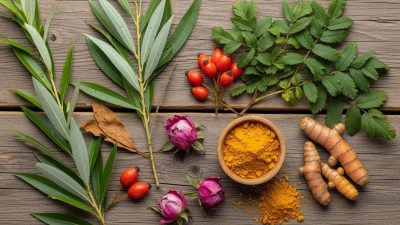
As experienced horse owners, we’ve discovered that natural remedies can help support our horses’ health and well-being. Particularly effective are herbs like turmeric, which contains curcumin, a potent anti-inflammatory compound that can help alleviate joint pain and inflammation. Similarly, devil’s claw works as an anti-inflammatory and analgesic, especially for pain associated with arthritis.
What many horse owners don’t realize is that antioxidants do more than neutralize free radicals they also help combat inflammation. This is crucial because oxidative stress and inflammation are closely linked processes that can detrimentally affect the health and performance of horses.
In this comprehensive guide, we’ll explore various natural approaches to fighting inflammation in horses, from herbal remedies that have been used since ancient times to natural horse supplements that can make a significant difference in your horse’s comfort and performance. We’ll also dive into the science behind these solutions and provide practical advice for implementation.
How Inflammation Affects Horse Health
Inflammation serves as both a defender and potential threat to your horse’s wellbeing. Understanding how this biological process impacts your equine companion can help you effectively address health concerns before they escalate.
The link between inflammation and performance
Inflammation directly impacts your horse’s athletic capabilities through multiple mechanisms. During exercise, inflammation temporarily increases in joints as part of normal tissue adaptation. However, excessive inflammation hampers performance by physically obstructing ventilation in airways, leading to less oxygen, increased anaerobic metabolism, greater fatigue, and reduced speed, making the goal to reduce horse inflammation naturally a key focus for maintaining peak condition.
Consider this: inflammation that remains uncontrolled creates a cascade effect throughout your horse’s body. Research shows horses with lower airway inflammation demonstrate impaired physiological responses during exercise compared to healthy horses. Furthermore, persistent inflammation delays healing processes by impeding the body’s ability to repair damaged tissues efficiently.
Chronic vs. acute inflammation
The distinction between acute and chronic inflammation is critical for proper treatment approaches. Acute inflammation typically resolves within 30 days and represents your horse’s immune system working correctly. During this process, the immune system dispatches white blood cells to protect injured areas, creating the familiar signs of redness, swelling, heat, and pain.
Conversely, chronic inflammation persists beyond 30 days and can transform from helpful to harmful. This prolonged inflammatory response can overwhelm your horse’s ability to control it much like a wildfire that starts to roar out of control. Additionally, chronic inflammation may develop from various sources including infections, allergies, injuries, cancer, and metabolic diseases.
Impact on joints, digestion, and immunity
The consequences of unchecked inflammation extend throughout your horse’s body systems. In joints, while transient inflammation promotes tissue strengthening, chronic inflammation damages cartilage and leads to osteoarthritis.
Digestive health suffers equally high-sugar diets can increase intestinal permeability (leaky gut syndrome), allowing bacteria and toxins to enter the bloodstream and trigger systemic inflammation. Research indicates that transport and exercise contribute to leaky gut syndrome in performance horses, with one study finding significant increases in intestinal permeability after just one hour of trailer transport.
Moreover, inflammation affects immunity by potentially overwhelming the beneficial aspects of immune response. Excessive neutrophils (white blood cells) responding to inflammation can cause serious health complications rather than helping. Through careful management and appropriate supplementation, however, these inflammatory processes can be modulated to protect your horse’s overall health.
The Science Behind Natural Anti-Inflammatories
Understanding the scientific mechanisms behind natural anti-inflammatories gives us valuable insights into effectively managing our horses’ health. The journey from free radical formation to inflammation presents several opportunities for intervention with natural remedies.
Free radicals and oxidative stress
When horses exercise, their bodies generate unstable molecules called free radicals as part of normal energy production. These molecules, characterized by unpaired electrons, bounce around cells like pinballs, damaging DNA, proteins, and cell membranes. This microscopic havoc creates what scientists call oxidative stress an imbalance between free radical production and the body’s antioxidant defenses.
Free radicals don’t just appear during exercise. They’re also produced during normal metabolism, illness, stress, injury, and exposure to environmental toxins. As these reactive oxygen species accumulate, they overwhelm the system, resulting in oxidative stress. Consequently, this stress damages cellular components and triggers inflammatory pathways.
How antioxidants reduce inflammation
Antioxidants function as natural “free radical scavengers,” donating electrons to neutralize unstable molecules without becoming unstable themselves. This protective action prevents the cascade of damage that leads to inflammation. Essentially, they restore balance to the oxidant/antioxidant ratio in the body.
Studies demonstrate that antioxidant supplementation can significantly improve exercise tolerance and reduce inflammatory markers. For instance, quercetin, a plant-derived flavanol, has been shown to reduce inflammation and prevent damage to cells caused by free radicals. Likewise, vitamin E serves as the “king of antioxidants,” slipping between fatty acid molecules in cell membranes to stop the chain reaction of damage.
Role of mitophagy in cellular health
Interestingly, the body has another mechanism to combat oxidative stress: mitophagy the selective removal of damaged mitochondria. This process is crucial for maintaining cellular health, specifically in removing dysfunctional mitochondria that produce excessive reactive oxygen species.
Through mitophagy, horses’ bodies can effectively perform quality control on their cellular powerhouses. This selective autophagy helps sustain cell survival and function by eliminating deteriorated mitochondria that would otherwise contribute to inflammation. Therefore, supporting this natural process through appropriate nutrition and supplementation provides another avenue for reducing inflammation naturally.
Herbs and Nutrients That Work
Looking for powerful natural solutions to combat equine inflammation? These herbs and nutrients have stood the test of time and science, offering effective alternatives to synthetic medications.
Turmeric and curcumin
Turmeric root contains over 300 active compounds, with curcumin being the primary anti-inflammatory component. This golden powerhouse works by lowering enzymes that contribute to inflammation. What makes turmeric particularly effective is its multi-faceted approach it possesses antioxidant, antibacterial, antiviral, and antifungal properties simultaneously.
For optimal absorption, combine turmeric with black pepper and a fat source, as curcumin is poorly absorbed alone with only about 1% bioavailability. Although dosing recommendations vary, generally 2.4 grams daily is considered safe for horses, though research has used up to 12-20 grams without adverse effects in short-term studies.
Frankincense and boswellic acids
Frankincense (Boswellia serrata) contains boswellic acids that effectively reduce inflammation through different pathways than traditional medications. Unlike NSAIDs, boswellic acids inhibit 5-lipoxygenase enzymes involved in leukotriene synthesis. This means frankincense provides anti-inflammatory benefits without the digestive side effects common with pharmaceutical options.
Studies have confirmed that boswellic acids inhibit inflammatory activities by suppressing iNOS, COX-2, NF-κB, and 5-lipoxygenase. Research combining boswellia with curcumin has shown promising results in reducing exercise-related inflammation in horses.
White willow and natural salicylates
White willow bark contains salicin, which your horse’s body converts into salicylic acid the natural precursor to aspirin. Remarkably, unlike synthetic aspirin, white willow doesn’t thin blood or damage stomach lining, making it suitable for long-term use.
This herb effectively reduces inflammation and relieves pain, particularly beneficial for arthritis and joint discomfort. The soothing properties support greater movement comfort naturally, ideal for performance horses, aging equines, or those experiencing stiffness in cold weather.
MSM and glucosamine
Methylsulfonylmethane (MSM) and glucosamine are popular for joint support. Glucosamine serves as a precursor for glycosaminoglycans in cartilage and blocks enzymes that lead to cartilage breakdown. Studies show it helps repair cartilage and maintains its elasticity.
Unfortunately, excess sulfur from MSM can block copper absorption, which ironically can diminish hoof and joint health. Additionally, glucosamine may increase insulin secretion, so caution is advised for horses with metabolic issues.
Astaxanthin: A dual-action antioxidant
Astaxanthin stands out with antioxidant potency 6,000 times greater than vitamin C and 800 times greater than coenzyme Q10. This remarkable carotenoid supports mitophagy the removal of damaged mitochondria by increasing expression of PINK1 and PARKIN genes.
Research shows astaxanthin supplementation increased total antioxidant status by 31.5% while decreasing oxidative stress markers by 34.5% in horses. It’s particularly beneficial for horses with metabolic issues and muscle problems, helping reduce exercise-induced muscle damage.
Choosing the right natural horse supplements
When selecting inflammation-fighting supplements, consider combining herbs for synergistic effects. Turmeric paired with black pepper enhances absorption, while boswellia combined with curcumin offers more comprehensive anti-inflammatory support.
Be mindful of potential contraindications avoid glucosamine for metabolic horses and discontinue willow bark well before competition per FEI regulations. Ultimately, quality matters more than quantity; properly formulated supplements with bioavailable ingredients deliver greater benefits than higher doses of poorly absorbed alternatives.
Safe Use and Best Practices
Navigating the world of natural anti-inflammatories requires caution alongside enthusiasm. Despite their natural origins, herbs can cause serious side effects if used improperly.
When to avoid certain herbs
Pregnant mares should avoid most herbs, as many contain uterine or hormonal stimulant properties that could harm development. Indeed, herbs like valerian, comfrey, and devil’s claw deserve extra caution due to their potent effects. Notwithstanding their benefits, herbs can interact with medications white willow bark should never be combined with NSAIDs due to increased risk of side effects.
Knowledge of banned substances in competition
The FEI and USEF maintain strict prohibited substances lists that include many natural herbs. Primarily, substances that affect performance whether calming or stimulating are forbidden. Unfortunately, common anti-inflammatories like devil’s claw, turmeric, and white willow bark appear on banned lists. Yet more concerning, supplements lack FDA regulation, meaning ingredients may change without notice.
Combining herbs for synergistic effects
Strategic combinations enhance effectiveness, but present risks. Ginseng reduces furosemide efficacy, whereas arjuna may beneficially reduce NSAID gastrotoxicity. Prior to mixing herbs, carefully research potential interactions, as St. John’s wort can activate liver enzymes that alter drug metabolism.
Working with an equine herbalist
Professional guidance ensures safety and effectiveness. Herbalists provide customized protocols and teach proper usage techniques. Accordingly, they help navigate the complex world of herb-drug interactions while respecting competition regulations.
Conclusion
Fighting inflammation naturally offers our horses significant benefits without the harsh side effects of pharmaceutical options. Throughout this guide, we’ve seen how herbs like turmeric, frankincense, and white willow bark provide powerful anti-inflammatory support through multiple pathways. These natural alternatives work differently than conventional medications, often addressing root causes rather than merely masking symptoms.
Undoubtedly, antioxidants play a crucial role in this battle against inflammation. Their ability to neutralize free radicals helps prevent the cascade of cellular damage that triggers inflammatory responses. Astaxanthin stands out as particularly valuable due to its exceptional potency and ability to support mitophagy – the vital cellular cleaning process that removes damaged mitochondria.
Careful consideration must guide our supplement choices, though. Not all natural remedies suit every horse, especially those with metabolic conditions. Additionally, competition regulations restrict many beneficial herbs, necessitating withdrawal periods before events.
Your horse’s health deserves a holistic approach. Combining appropriate herbs creates synergistic effects that enhance overall effectiveness. Professional guidance from an equine herbalist can help develop a customized protocol that addresses your horse’s specific needs while ensuring safety.
Remember that inflammation serves as both friend and foe. Acute inflammation represents normal healing, while chronic inflammation damages tissues throughout your horse’s body. The natural approaches outlined here target this harmful chronic inflammation without interfering with beneficial acute responses.
The journey toward naturally managing your horse’s inflammation requires patience and attentiveness. Still, the rewards improved performance, better quality of life, and potentially extended athletic careers make these efforts worthwhile. Armed with this knowledge, you can confidently take steps toward supporting your equine partner’s health naturally for years to come.