


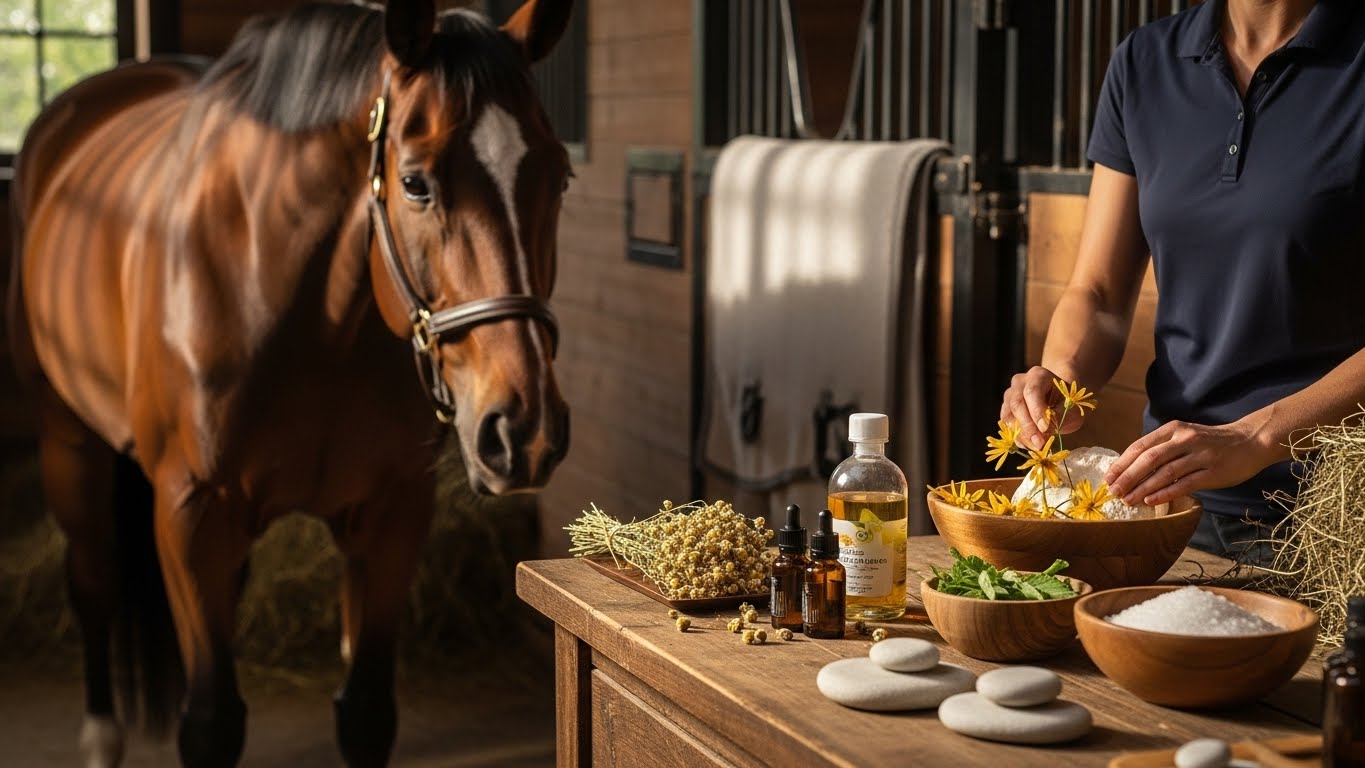
Preventing horse re-injury starts with understanding a surprising fact: during intense training, core tendon temperatures in horses can reach a dangerous 110°F (43.5°C). This is particularly concerning because tendon cells begin to suffer microscopic damage at just 108.5°F (42.5°C). In fact, it’s this accumulated microdamage not traumatic accidents that represents the leading cause of tendon injury and reinjury in horses.
As a veterinarian who has treated countless equine injuries, I’ve seen firsthand how recovery timelines vary dramatically. A minor soft tissue injury might heal within weeks with proper care, whereas severe tendon or ligament damage can require months or even over a year for full recovery. Unfortunately, horses aren’t naturally good at self-protection. When given space, they’ll run and play regardless of an injury’s status, which is why controlled exercise becomes crucial for optimal healing. Throughout this guide, I’ll share proven strategies to prevent horse re-injury based on understanding how injuries occur, identifying risk factors, implementing daily preventive practices, and developing smart training protocols.
Essential Knowledge of How Injuries Happen
Horses’ legs contain a remarkable energy-storing system that enables their athletic abilities while simultaneously making them vulnerable to injury. The superficial digital flexor tendon (SDFT) stretches up to 16% during high-impact activities such as jumping and galloping. However, this exceptional elasticity comes at a cost – these structures must operate near their functional limits.
Tendon and ligament stress during performance
The equine suspensory ligament and flexor tendons act like powerful springs, absorbing and redirecting force with every stride. These viscoelastic structures efficiently provide energy when weight-bearing but break down if stretched beyond their limits. For a galloping horse, the lead foreleg takes the entire body weight for approximately 0.11 seconds as the horse rolls over the leg. Throughout this brief moment, tendons stretch to their maximum capacity – sometimes beyond what they can handle.
The role of microdamage and overheating
Contrary to what many assume, most tendon injuries don’t result from single traumatic accidents. Instead, repetitive microdamage gradually accumulates until failure occurs. This process often begins with overheating – studies show core SDFT temperatures can reach 110°F (43.5°C) during intense training. This is extremely problematic since tendon cells (tenocytes) begin sustaining microscopic heat damage at just 108.5°F (42.5°C).
Additionally, research has identified a “metabolic tipping point” where the demands placed on tendon tissue exceed its ability to repair itself. Repeated hyperthermic stress damages cells, compromises matrix component metabolism, and ultimately leads to tendon core degeneration.
Why reinjury is more common than first-time injury
The greatest risk factor for tendon injury is prior tendon injury. This stems from fundamental differences in how tendons heal. The initial repair matrix contains type III collagen instead of the normal type I collagen found in healthy tendons. Consequently, this replacement tissue is structurally weaker, making it crucial to develop a robust plan to prevent horse re-injury, as the healed area is more prone to reinjury.
Furthermore, even at 12 months post-injury, repaired tissue never completely regains its original biomechanical properties. This explains why 23%-67% of horses treated using conservative methods re-injure tendons within 2 years of the initial injury.
Identifying and Managing Risk Factors
Beneath every equine injury lies a complex interplay of risk factors that savvy horse owners need to understand. Recognizing these patterns allows for more targeted prevention strategies, especially for horses with higher baseline vulnerabilities.
Genetic predisposition and conformation
A horse’s physical structure significantly influences injury susceptibility. Research demonstrates that certain conformational traits directly correlate with specific injury patterns. For instance, horses with longer bottom neck lines face increased risk of fetlock effusion in front limbs. Likewise, those with a “bench knee” (where the cannon bone isn’t directly under the forearm) experience more fetlock problems.
Even hoof structure plays a critical role. Studies reveal that poorly aligned hooves create strain and reduce long-term soundness. Specifically, horses with negative hoof-pastern axes become more prone to heel bruising and navicular soreness. Moreover, according to recent genetic research, over 100 genes may contribute to bone fracture risk in Thoroughbreds.
Previous injury as a major risk factor
Prior injury stands as the single most significant predictor of future problems. The California Post-Mortem Program found that most catastrophic fractures to the humerus, tibia, scapula, and pelvic bones occur at sites of pre-existing stress fractures. This pattern extends beyond bones horses previously placed on veterinary lists face 1.55 times greater odds of fatal musculoskeletal injuries throughout their remaining careers.
Notably, horses that recently returned from enforced rest periods face heightened risk of humeral stress fractures. This explains why approximately 11% of injured horses have documented histories of previous injuries.
Importance of prepurchase exams and imaging
Given these realities, thorough prepurchase examinations represent essential safeguards. A comprehensive exam includes evaluation of conformation, gait analysis, and assessment of previous injury sites. For sport horses, a full set typically comprises 40-42 radiographic views examining feet, fetlocks, hocks, stifles, neck, and back.
Advanced imaging technologies further enhance risk detection. PET scans, CT scans, and MRIs can identify subtle abnormalities before they progress to career-ending injuries. These tools have proven particularly valuable in evaluating the fetlock, where 85% of musculoskeletal racing injuries occur.
Daily Practices to Prevent Horse Re-Injury
Daily leg examinations form the foundation of effective equine injury prevention. Establishing this routine creates a system for early intervention that can dramatically reduce reinjury rates among performance horses. Let’s explore these critical practices that every horse owner should implement.
Routine leg checks and palpation
Thorough leg palpation allows detection of abnormalities before they develop into serious problems. As one expert advises, “An old adage says that if you are blindfolded, you should be able to identify the horse by palpation of the legs”. This intimate knowledge makes spotting changes easier. When examining each limb, systematically check for heat, swelling, and sensitivity all early indicators of potential issues.
For optimal assessment, run your hands down each leg, comparing opposite limbs for asymmetry. Pay particular attention to digital flexor tendons, suspensory ligaments, splint bones, and major joints. Additionally, gently flex each limb through its normal range of motion, noting any resistance or discomfort.
Using boots and wraps correctly
While protective gear helps prevent external impact injuries, improper use can create new problems. Always select boots made from breathable materials that allow airflow to prevent dangerous heat buildup. Remember that overheating legs can cause long-term tissue damage.
For support bandages, choose flexible fabrics that move naturally with the horse rather than restrictive materials. Traditional standing wraps with proper padding provide effective compression when confined to a stall, whereas polo wraps alone offer insufficient support.
Monitoring tendon temperature and inflammation
Temperature monitoring serves as a valuable early warning system. Research shows that temperature differences ≥1°C between contralateral regions often indicate developing musculoskeletal issues. Regular thermographic examination can reveal subclinical changes up to two weeks before clinical signs appear.
Cryotherapy and post-exercise care
Following intense work, immediate cooling procedures help prevent inflammation and accelerate recovery. For effective cooling, completely submerge legs in ice water for 20-30 minutes. Studies demonstrate that properly iced legs maintain a temperature approximately 11°F cooler than untreated limbs and retain cooling effects for up to 15 minutes after treatment.
For optimal results, apply clay-based poultice to dried cannon regions after icing. Cover with wet paper and standing wraps overnight to continue drawing out heat while providing necessary compression. This comprehensive approach helps maintain healthy tissue while supporting the body’s natural recovery processes.
Training and Recovery Strategies That Work
The science of equine exercise reveals that most injuries stem from repetitive strain and accumulated microdamage. Implementing a structured training program based on scientific principles can substantially reduce this risk.
Evidence-based progressive training
Progressive training begins with establishing an aerobic base through at least three weeks of low-intensity exercise. This foundation prepares your horse for more demanding work. Once established, incorporate short intervals (5-10 minutes) of high-impact loading three times weekly to optimize skeletal strength. Bone responds best to this pattern while protecting soft tissue structures.
Cross-training and surface variation
Working horses on different surfaces distributes strain across various musculoskeletal tissues bone, ligament, tendon thereby minimizing repetitive stress. Essentially, cross-training prevents the accumulation of microdamage that leads to injury. Hillwork offers exceptional cardiovascular benefits without requiring the speed associated with musculoskeletal injury.
Allowing adequate rest between sessions
Undoubtedly, recovery time between training sessions is crucial. Without adequate rest, a horse’s body cannot fully repair, leading to overexertion and potentially acute injury. Consider both passive recovery (turnout with no added exercise) and active recovery (light exercise like trail riding).
Conditioning young horses properly
Early, appropriate exercise benefits horses long-term. Studies show that foals exercised freely in moderately sized pastures developed fewer osteochondral lesions than stall-kept foals. For youngsters, focus on brief but frequent sessions (10-15 minutes daily) while avoiding skeletal concussion.
Conclusion
Throughout my years as an equine veterinarian, I’ve witnessed firsthand how prevention truly exceeds treatment when dealing with horse injuries. Understanding the science behind equine injuries particularly how tendons overheat during intense exercise and accumulate microdamage fundamentally changes how we approach training and care.
Remember that previously injured horses face significantly higher reinjury risks because healed tissue never fully regains its original strength. Therefore, daily vigilance becomes your best defense against setbacks. Regular leg palpations, proper use of protective gear, and immediate post-exercise cooling essentially create a protective framework for your horse’s long-term soundness.
Smart training protocols likewise play a crucial role in prevention. Progressive conditioning, cross-training on varied surfaces, and scheduled rest periods all work together to minimize accumulated stress. Additionally, young horses benefit tremendously from appropriate early exercise that builds resilience without overtaxing developing structures.
Above all, patience remains the cornerstone of injury prevention. While it might seem tempting to rush recovery or training progression, doing so undoubtedly increases reinjury risk. The most successful horse owners and trainers I’ve worked with share one common trait they respect biological healing timelines rather than forcing progress according to competition schedules.
Horse care certainly requires dedication, but the reward of maintaining a sound, athletic partner justifies every preventive measure. After all, the best treatment for reinjury is ensuring it never happens in the first place.