


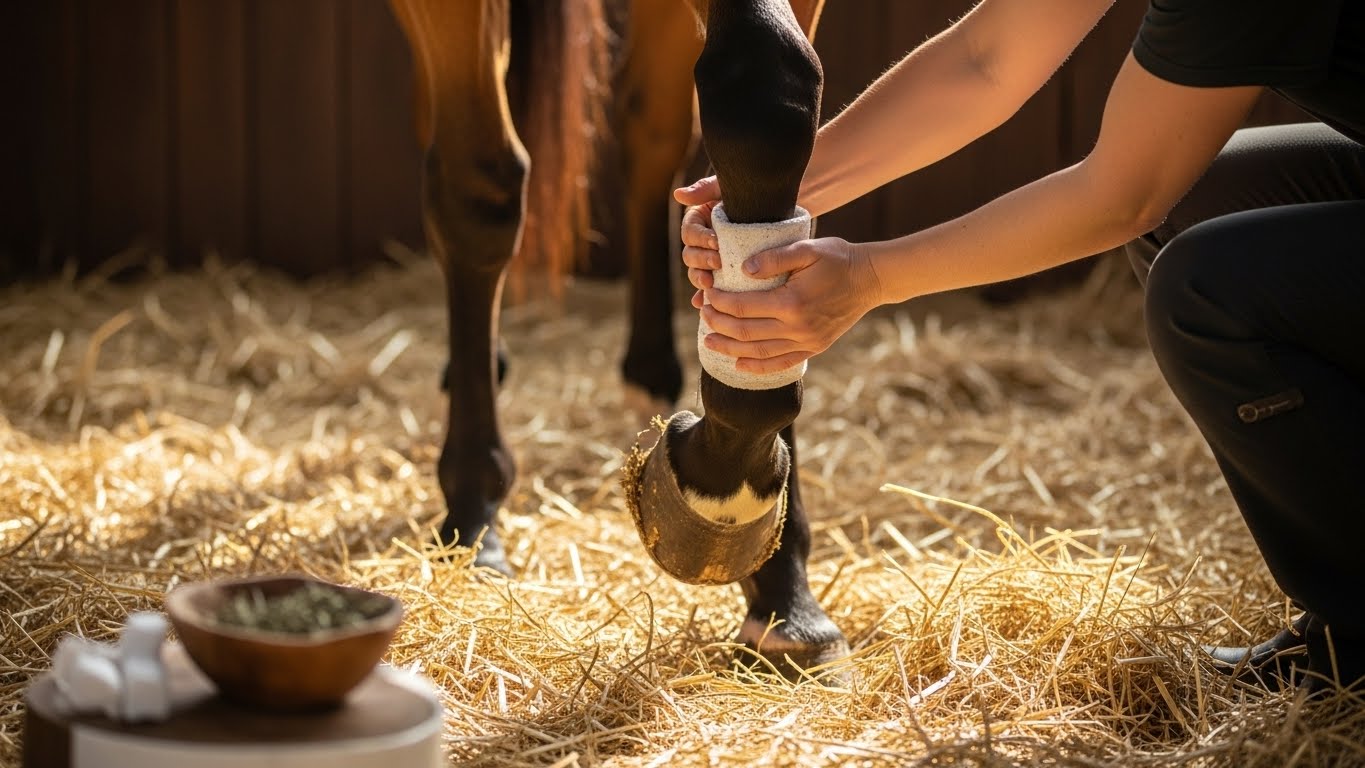
Swollen legs and inflamed tissues are extremely common issues we face when trying to reduce inflammation in horses. In fact, inflammation can occur from various sources including poorly fitted tack, improper riding techniques, or simply through the extensive range of movements during exercise. When we notice the telltale signs redness, swelling, heat, pain, and loss of function our first instinct is often to eliminate the inflammation as quickly as possible.
However, understanding that inflammation is actually the body’s natural response to tissue injury or irritation is crucial. For many horses, edema (the visible accumulation of fluid in tissues) can delay the body’s natural ability to recover. Furthermore, chronic inflammation is a component of many equine disease states, and reducing it has significant health benefits. Throughout this article, we’ll explore natural approaches to managing both acute and chronic inflammation, from daily preventative practices to dietary adjustments and safe remedies that work with your horse’s body rather than against it.
How Inflammation Works in a Horse’s Body
The body’s inflammatory response in horses operates as a sophisticated defense mechanism. Understanding this process is essential for anyone looking to reduce inflammation in horses effectively and support their recovery naturally.
The immune system’s role
The equine immune system springs into action whenever it detects tissue damage or foreign invaders. White blood cells rush to the affected area, releasing chemicals that increase blood flow and trigger the classic signs of inflammation. This increased blood flow allows more immune cells to reach the site of injury, essentially starting the body’s natural healing process.
Unlike humans, horses have evolved with particularly responsive inflammatory systems due to their nature as prey animals. Their bodies are designed to react quickly to injuries that might limit their ability to flee from predators. This evolutionary adaptation means their immune responses can sometimes be more pronounced than necessary for modern domesticated life.
Acute vs. chronic inflammation
Acute inflammation represents the body’s immediate, short-term response to injury or infection. It typically lasts a few days to weeks and is characterized by the five cardinal signs: heat, redness, swelling, pain, and loss of function. This type of inflammation is generally beneficial it’s your horse’s body working to heal itself.
Chronic inflammation, conversely, persists for extended periods and can become harmful. This ongoing inflammatory state may develop from untreated acute conditions or arise from autoimmune disorders. The persistent nature of chronic inflammation can lead to tissue damage over time, negatively affecting your horse’s overall health and athletic performance.
Why swelling can delay healing
Although some inflammation is necessary for healing, excessive swelling can actually impede recovery. The accumulated fluid in swollen tissues creates physical pressure that restricts blood circulation to the affected area. Consequently, this reduced circulation limits the delivery of oxygen and nutrients essential for cell repair and regeneration.
Additionally, prolonged swelling can lead to the formation of fibrous adhesions bands of scar tissue that restrict normal movement. For horses, whose athletic abilities depend on smooth, unrestricted motion, these adhesions can cause long-term performance issues even after the initial injury has healed.
By understanding these inflammatory mechanisms, we can make more informed decisions about how to appropriately manage and reduce inflammation in horses using natural approaches.
Daily Practices to Prevent Swelling
Preventing swelling before it starts is far more effective than treating it after the fact. Through implementing these daily practices, I’ve found we can significantly reduce inflammation in horses and support their long-term soundness.
Proper hoof care and trimming
Maintaining balanced hooves is crucial for preventing inflammation throughout your horse’s body. Ideally, the foot should have a straight hoof-pastern angle and adequate heel support. Working with a skilled farrier on a regular schedule (typically every 6-8 weeks) ensures proper trimming that prevents abnormal wear patterns and reduces stress on tendons and ligaments.
For horses with poor quality hooves, research shows benefits from supplements containing:
- Biotin (20 milligrams daily)
- Iodine (1 milligram daily)
- Methionine (2500 milligrams daily)
- Zinc (175-250 milligrams daily)
Keeping stalls clean and dry also prevents thrush, a common infection that can lead to lameness if left untreated.
Balanced exercise and rest
Regular, appropriate exercise serves as one of the most effective ways to naturally reduce inflammation. Light exercise increases circulation and lymph drainage, which helps alleviate minor swelling conditions like stocking up. Specifically for horses with chronic windpuffs, daily activity including plenty of turnout should be incorporated into their routine.
Meanwhile, avoid prolonged periods of inactivity, as studies show these can potentially increase stress levels and cortisol production in horses. After exercise, proper cool-down periods are essential, especially in extreme temperatures.
Managing environmental stressors
Horses thrive on routine and predictability. Maintaining regular feeding and exercise schedules naturally reduces stress-related inflammation. Similarly, proper social grouping matters monitor herd dynamics and pair horses with compatible companions to minimize stress responses.
For traveling horses, limit transport time where possible, stopping every 3-4 hours to give legs a break from vibration and offering water every 6-8 hours. Equally important is providing appropriate shelter from environmental extremes, whether it’s shade during heat or protection from cold winds.
By focusing on these preventative practices daily, you’ll create conditions where your horse’s natural inflammatory responses remain balanced and functional.
Feeding for Recovery: Anti-Inflammatory Diet Tips
The dietary choices we make for our horses directly impact their inflammatory responses and recovery times. Proper nutrition serves as both a preventative measure and a therapeutic approach for reducing inflammation.
Forage-first feeding approach
High-quality pasture or hay should form the foundation of every horse’s diet, especially when combating inflammation. This isn’t merely for filling the stomach horses can gain substantial calories from fermented forage while receiving vital nutrients like protein and minerals. For optimal results, horses should consume at least 1.5% of their body weight daily as forage, which translates to roughly 18 pounds for a 1,200-pound horse.
Legumes like alfalfa can be particularly valuable in an anti-inflammatory diet. Besides providing more calories per pound than grass hay, their higher calcium and protein content excel at buffering stomach acid, making them beneficial for horses prone to gastric ulcers.
Low-starch, high-fiber concentrates
Selecting feeds high in fiber while keeping starch and sugar levels low creates a more stable metabolic environment. Through carefully managing non-structural carbohydrates (NSC), we support steadier blood glucose and insulin levels, promoting calmer behavior.
Instead of grain-based concentrates, consider alternatives such as:
- Beet pulp for digestible fiber
- Rice bran for calories with essential fatty acids
- Soybean hulls for gut health support
For horses with specific conditions like Insulin Resistance or Equine Metabolic Syndrome, maintaining total diet NSC levels below 10% becomes crucial in preventing laminitis.
Omega-3s and antioxidants in the diet
Omega-3 fatty acids play a vital role in managing inflammation. Marine-derived oils containing DHA and EPA provide more efficient biologic activity than plant sources. Research demonstrates these fatty acids can significantly reduce systemic inflammation while supporting joint and skin health.
Most equine nutritionists recommend selecting feeds with 2-4 times more omega-3s than omega-6s, since omega-6s are pro-inflammatory while omega-3s are anti-inflammatory. Moreover, increased fat intake necessitates additional vitamin E supplementation approximately 200-250 IU per cup of added oil.
Hydration and gut health support
A well-hydrated gut is fundamental to reducing inflammation. Horses typically require three pounds of water for every pound of dry matter consumed. Proper hydration facilitates digestion, nutrient absorption, and helps eliminate inflammatory byproducts.
Since an estimated 70-80% of the immune system resides in the gut, supporting intestinal health through probiotics and prebiotics creates an additional layer of protection. These beneficial bacteria optimize nutrient digestibility while supporting balanced immune and inflammatory responses.
Choosing Safe Natural Remedies
Navigating the world of natural remedies requires careful consideration, particularly when your goal is to reduce inflammation in horses safely and effectively.
When to use supplements vs. medications
Natural supplements serve best as support for healthy structures and functions, not as disease treatments. For acute, severe inflammation, FDA-approved medications remain the appropriate choice as they undergo rigorous testing for safety and effectiveness. Nevertheless, supplements can provide valuable ongoing support for horses under stress when pharmaceuticals aren’t indicated.
How to evaluate supplement quality
Unlike drugs, supplements lack strict FDA regulation, making quality assessment crucial. Look for products from manufacturers who:
- Support clinical research with peer-reviewed studies
- Voluntarily follow Good Manufacturing Practices
- Display complete ingredient listings with clear dosage recommendations
- Make realistic claims rather than promising to “cure” conditions
- Bear the National Animal Supplement Council (NASC) seal, indicating adherence to industry standards
Working with your vet on natural plans
Veterinary consultation remains absolutely essential before starting any natural remedy. Your vet can help identify potential herb-drug interactions, which pose significant risks. Importantly, always disclose all supplements your horse receives to prevent “double-dipping” with nutrients that could create imbalances. Remember that what works for one horse may not work for another, therefore personalized approaches yield the best results.
Conclusion
After all we’ve explored, it becomes clear that managing inflammation in horses requires a balanced, holistic approach rather than simply seeking quick fixes. Natural methods indeed offer powerful tools for supporting your horse’s recovery when used thoughtfully alongside proper management. Prevention undoubtedly remains the most effective strategy daily attention to hoof care, appropriate exercise routines, and minimizing environmental stressors can significantly reduce the likelihood of inflammatory issues developing.
Dietary considerations play an equally important role in your horse’s inflammatory response. A forage-first approach combined with omega-3 fatty acids and antioxidants creates the foundation for cellular health and proper immune function. Most horses benefit from limited starch intake and increased fiber, especially those prone to metabolic issues.
Choosing the right natural remedies requires careful evaluation and veterinary guidance. Quality matters tremendously when selecting supplements, as does understanding when traditional medications might be more appropriate for acute conditions. Your horse deserves products backed by science rather than marketing promises.
Throughout our journey with horses, we must remember that some inflammation actually serves a beneficial purpose it signals the body’s natural healing process at work. Our goal should never be complete elimination of inflammatory responses but rather supporting their proper function and preventing excess. This balanced perspective allows us to work with our horses’ bodies rather than against them.
Therefore, the next time you notice swelling in your horse, take a moment to assess the situation thoroughly before acting. Consider the underlying causes, implement the appropriate natural strategies, and partner with your veterinarian to create a comprehensive approach. Your horse will thank you with improved comfort, faster recovery times, and better long-term health.