


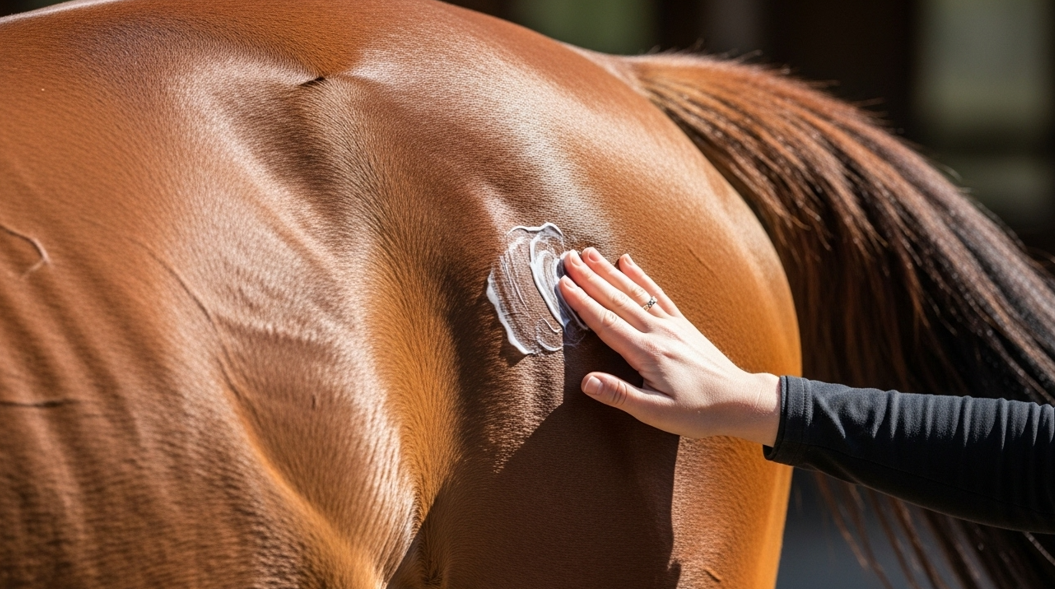
Horses are majestic animals, but like all living creatures, they are prone to aches, soreness, and injuries. Managing equine pain effectively is not only crucial for their comfort but also for their overall performance, longevity, and wellbeing. Whether you are a professional rider, a horse owner, or a caretaker, understanding the options available for pain relief and knowing how to implement them safely is essential.
This guide focuses on Pain Relief for Horses, exploring effective strategies, modern techniques, and how cutting-edge solutions can help maintain your horse’s comfort and health.
Understanding Pain in Horses
Horses are stoic by nature, which often makes it challenging to detect pain early. Signs can be subtle: changes in gait, reluctance to move, stiffness, irritability, or altered behavior. Left unaddressed, even minor discomfort can escalate into chronic issues, affecting mobility and overall quality of life.
Pain in horses can arise from:
-
Muscular strain or fatigue
-
Joint or tendon injuries
-
Post-surgical recovery
-
Chronic conditions like arthritis or laminitis
-
Improper tack or training methods
Recognizing the source of discomfort is the first step toward effective management. Regular check-ups with a veterinarian, along with attentive observation, are essential for identifying pain before it becomes severe.
Traditional Pain Relief Methods
Historically, equine pain relief has relied on a combination of approaches, each with its strengths and limitations.
1. Anti-inflammatory Medications
Non-steroidal anti-inflammatory drugs (NSAIDs) are commonly used to reduce pain and inflammation. While effective, they require careful dosing and monitoring to avoid side effects such as gastric irritation or kidney strain.
2. Rest and Rehabilitation
Giving a horse sufficient rest, alongside a structured rehabilitation program, can help injured tissues heal. Controlled exercise, physiotherapy, and hydrotherapy often accompany these routines to restore strength and flexibility.
3. Physical Therapy
Massage, stretching, and targeted exercises can relieve muscle tension and enhance circulation, promoting recovery and comfort. Equine physiotherapists play a critical role in designing programs tailored to each horse’s needs.
While these traditional approaches are beneficial, they can sometimes be limited in speed and convenience. This is where modern pain relief solutions come into play.
Modern Innovations: Cryotherapy and Advanced Recovery Tools
In recent years, equine care has embraced technology-driven solutions to complement traditional methods. One standout advancement is cryotherapy, which uses cold therapy to manage pain, reduce inflammation, and accelerate recovery.
Cryotherapy works by:
-
Constricting blood vessels to reduce swelling
-
Numbing painful areas for immediate relief
-
Stimulating circulation after treatment to promote tissue repair
MaxCryo, a leader in equine cryotherapy, offers state-of-the-art treatments designed to improve recovery time, enhance comfort, and support long-term joint and muscle health. Whether your horse is recovering from strenuous training, an injury, or managing a chronic condition, cryotherapy provides a non-invasive, drug-free solution that complements conventional pain management techniques.
Benefits of Advanced Pain Relief Solutions
Modern technologies like cryotherapy offer several advantages for both horses and their owners:
-
Non-invasive treatment: No medications or injections are required
-
Reduced recovery time: Faster healing helps horses return to training or performance sooner
-
Long-term joint support: Regular treatment can help maintain mobility and prevent chronic pain
-
Stress-free experience: Horses tolerate cryotherapy well, making it ideal for frequent use
By integrating innovative methods with traditional care, owners can achieve a comprehensive pain management strategy that maximizes comfort and performance.
Holistic Pain Management Strategies
Pain relief for horses is most effective when approached holistically. This means considering all aspects of the horse’s environment, diet, and routine. Key considerations include:
-
Nutrition: Adequate protein, vitamins, and minerals support tissue repair and joint health. Omega-3 fatty acids and glucosamine supplements may reduce inflammation.
-
Exercise: Controlled exercise tailored to the horse’s condition maintains muscle tone and flexibility, preventing stiffness and recurring pain.
-
Environment: Comfortable stabling, soft bedding, and proper footing reduce strain on joints and muscles.
-
Tack and Equipment: Proper saddle fit and correctly adjusted harnesses prevent unnecessary pressure and discomfort.
Combining these factors with both traditional and modern pain relief techniques ensures a balanced, proactive approach to equine wellness.
Recognizing When Professional Intervention Is Needed
While many pain relief strategies can be implemented by owners, certain situations require professional attention. Signs that warrant veterinary consultation include:
-
Persistent lameness or stiffness
-
Swelling or heat in joints
-
Changes in behavior or appetite
-
Pain that does not respond to conventional care
Early intervention is key to preventing minor injuries from developing into chronic conditions. Professionals can provide diagnostic imaging, tailored physiotherapy, and guidance on advanced treatments like cryotherapy to optimize outcomes.
Creating a Routine for Pain Management
Consistency is crucial for maintaining equine comfort. A structured pain management routine might include:
-
Daily observation for subtle signs of discomfort
-
Scheduled physiotherapy or massage sessions
-
Regular cryotherapy sessions for horses in training or recovery
-
Monitoring dietary support for joint and muscle health
Integrating these steps ensures that pain is managed proactively, keeping horses comfortable and active over the long term.
The Role of MaxCryo in Maintaining Horse Comfort
MaxCryo provides specialized cryotherapy treatments that fit seamlessly into an equine wellness plan. The service emphasizes:
-
Safety and efficacy: Equipment designed specifically for horses ensures optimal results without stress
-
Convenience: Treatments are quick and can be integrated with daily training routines
-
Comprehensive support: Guidance from professionals helps owners create a complete recovery strategy
For horse owners and trainers looking for modern, effective ways to maintain comfort, MaxCryo complements traditional approaches and offers tangible results in pain management and recovery.
Conclusion
Ensuring your horse’s comfort requires a combination of attentive care, effective pain management, and the integration of innovative recovery solutions. From traditional NSAIDs and physiotherapy to modern cryotherapy, a balanced approach addresses both acute and chronic pain while promoting long-term health.
For those committed to maximizing their horse’s wellbeing, incorporating advanced pain relief tools like MaxCryo ensures faster recovery, reduced inflammation, and enhanced mobility — all without relying solely on medications.
By prioritizing pain management, owners can help horses live healthier, more comfortable lives, maintain performance, and prevent minor discomfort from escalating into serious problems. Whether through observation, routine care, or professional treatment, effective pain relief for horses is a cornerstone of responsible equine ownership.