Drug-free recovery for horses has become increasingly important as we discover the powerful healing capabilities of natural approaches. Interestingly, horses themselves have been therapeutic partners in human addiction recovery, with studies showing a 40 percent drop in weekly substance cravings after just six equine sessions. This connection between horses and healing works both ways.
When it comes to horse recovery, we’ve observed that traditional pharmaceutical interventions aren’t always the best solution. In fact, research supports that horses respond exceptionally well to holistic methods, similar to how humans benefit from the decreased anxiety and blood pressure that animal companionship provides. Throughout this article, I’ll share eight natural methods that have proven effective for helping horses recover without medication, while also explaining how these approaches align with their natural behaviors and needs.
The Shift Toward Natural Horse Recovery
The movement toward natural horse recovery methods has gained tremendous momentum as more owners question the long-term impacts of medication-dependent treatments. This shift represents more than just a trend it’s a fundamental rethinking of how we approach equine health and wellbeing.
Why traditional treatments aren’t always enough
Conventional veterinary treatments, though valuable for diagnostics and acute conditions, often fail to address the complete picture of equine health. Several complementary and alternative veterinary medicine (CAVM) treatments haven’t undergone sufficient scientific testing, potentially leading to unwanted side effects or decreased effectiveness of conventional medicine. Furthermore, medications frequently mask symptoms rather than resolving underlying issues, creating a cycle of dependency that doesn’t promote true healing.
Many horse owners express concern that traditional approaches alone don’t honor the horse’s natural healing mechanisms. Disappointment in standard veterinary care isn’t driving this shift, however only 14% of owners in one study felt traditional therapies were insufficient. Instead, approximately 77% believed in alternative methods’ ability to boost natural healing reserves.
The rise of holistic equine care
Holistic equine care encompasses the “whole horse” approach addressing body, mind, and spirit interconnectedness. As defined by the American Holistic Health Association, these complementary practices include preventive, diagnostic, and therapeutic techniques not considered part of conventional medicine. The growing popularity stems from a desire for:
- More humane, ethical treatment options
- Enhanced safety for both horse and handler
- Deeper bond formation between horse and human
Ed Boldt, a Colorado veterinarian, notes that “more veterinarians are seeing the benefit of combining both modalities to help the horse”. This integration of approaches represents the future of comprehensive equine care.
How natural methods align with horse behavior
Horses are natural foragers designed to graze up to 16 hours daily in the wild. Consequently, approaches that honor this instinctive behavior pattern create harmony rather than resistance, forming a solid foundation for a drug-free recovery for horses. Natural horsemanship, for instance, emphasizes understanding equine psychology and social dynamics allowing handlers to communicate in ways horses instinctively comprehend.
By prioritizing clear communication through gentle, patient interactions, these methods foster deeper trust between horse and handler. Moreover, horses respond positively to treatments that mirror their natural lifestyles free movement, social interaction, and steady food intake throughout the day.
Natural recovery methods succeed primarily because they work with rather than against the horse’s inherent nature. Understanding that horses naturally avoid stress and seek balance helps explain why drug-free approaches often yield impressive results. The recovery process becomes a partnership rather than an imposed treatment regimen.
8 Proven Natural Techniques for Drug-Free Recovery
Natural solutions for equine health challenges have been practiced for centuries, yet their scientific validation continues to evolve. These eight evidence-based approaches support drug-free recovery by honoring horses’ innate behaviors and biological needs.
1. Ground-based therapy and liberty work
Liberty work allows horses to interact without physical restraint, creating a powerful connection. This approach uses eight structured exercises beginning with “Bonding Time,” where horses choose their own comfort level with humans. For traumatized horses, this freedom to establish distance proves especially valuable. As one practitioner explains, “When horses are met with empathy instead of pressure, they can begin to trust again”. This method teaches handlers to use clear, unambiguous body language that horses naturally understand, ultimately resetting troubled horses’ behavior patterns.
2. Equine-assisted emotional support
This ground-based therapy leverages horses’ remarkable sensitivity as prey animals who instinctively respond to human emotions. Unlike traditional therapy, sessions occur in natural settings where horses provide immediate, honest feedback on clients’ emotional states. Studies show this approach effectively addresses conditions like PTSD, anxiety, and depression. Additionally, horses create a safe, non-judgmental space that encourages clients to confront difficult emotions.
3. Herbal remedies and natural supplements
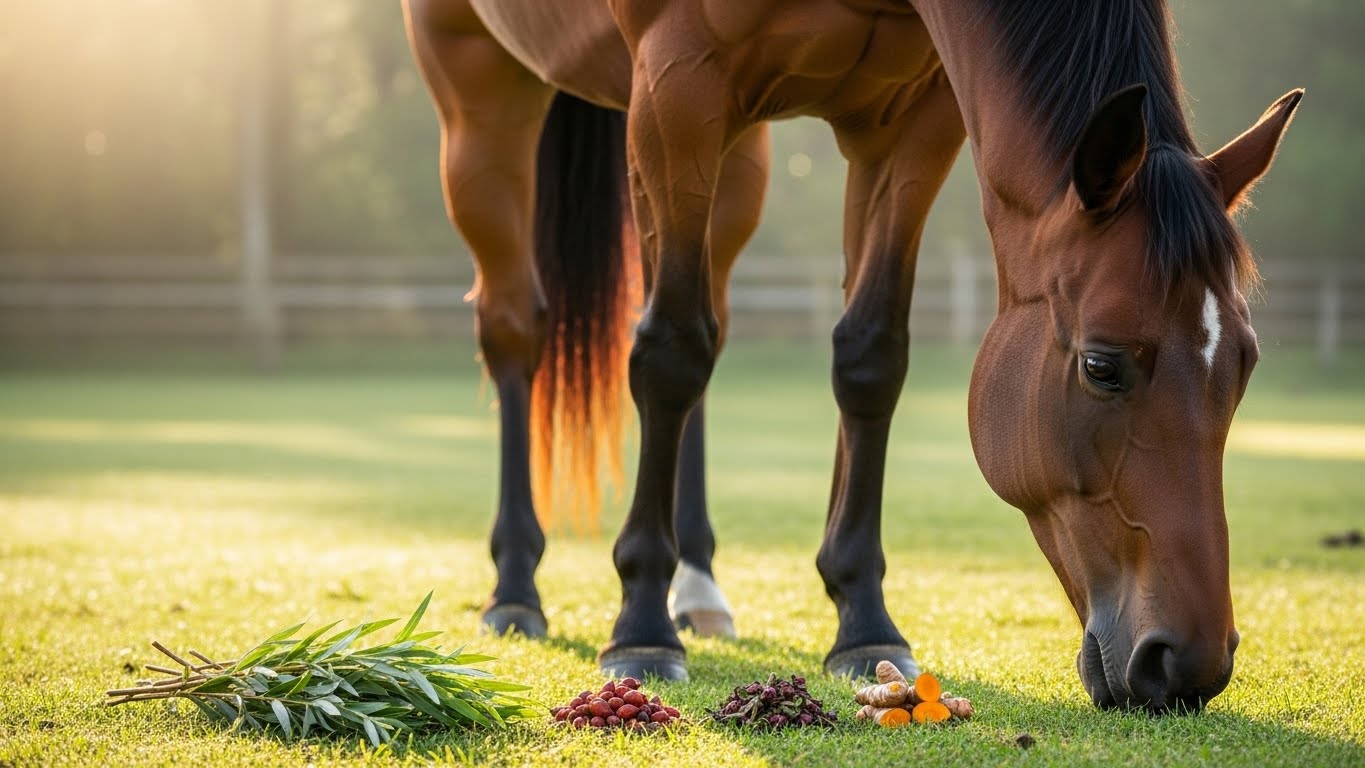
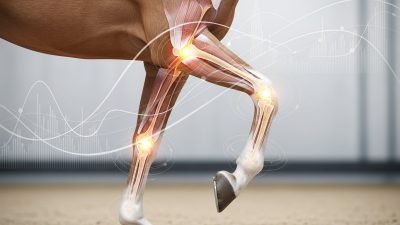
Natural supplements support recovery by maintaining immune strength and healthy inflammation levels throughout the body. Beneficial options include digestive aids like slippery elm and peppermint, joint supporters such as MSM (with proven positive results), and immune boosters like echinacea. Although generally regarded as safer than pharmaceuticals, it’s essential to note that many supplements lack FDA approval due to insufficient research on effectiveness and safety.
4. Free-range turnout and natural boarding
The “Paddock Paradise” concept transforms traditional boarding by imitating wild horses’ natural lifestyle. This approach incorporates track systems resembling natural ranges, allowing horses to move freely, socialize, and forage continuously. Importantly, this lifestyle eliminates the need for stabling and reduces injury risks, as herd dynamics naturally drive movement. Horses kept on pasture show significantly higher intestinal motility than stabled counterparts.
5. Mindful grooming and bonding rituals
Mindful grooming creates opportunities to connect beyond riding. This practice involves setting an intention before beginning, syncing your breathing with your horse’s, and staying fully present throughout the process. Regular sessions provide physical benefits like detecting early health issues alongside psychological advantages including stress reduction for both horse and human. Additionally, grooming can be a valuable opportunity to practice present-moment awareness.
6. Acupressure and equine massage
Acupressure applies gentle pressure at specific points along energy pathways (meridians) in the horse’s body. This non-invasive treatment aims to influence energy flow, addressing pain, inflammation, and muscle spasms. Equine massage including techniques like effleurage and petrissage has gained significant professional recognition, with 69% of rehabilitation veterinarians incorporating it into treatment protocols. These approaches release endorphins and cortisone, substances that relieve pain and reduce inflammation.
7. Enriched environments and sensory play
Creating stimulating environments significantly improves equine welfare. Research shows that classical music increases serotonin levels, reduces heart and respiratory rates, and produces relaxation responses that continue even after the music stops. Enriched spaces should include opportunities for grazing, socializing, movement, exploration, and self-care activities. These environments provide horses with choices and control, reducing stereotypical behaviors observed in roughly 10-20% of domesticated horses.
8. Gentle training with positive cues
Positive reinforcement training transforms the traditional pressure-based approach by motivating horses through rewards rather than avoidance. This method gives horses autonomy and freedom of choice, creating a partnership based on clear communication. Using markers like clickers followed by rewards eliminates confusion by precisely identifying correct behaviors. As a result, horses often learn faster and develop a genuine desire to participate in training sessions.
Real-Life Benefits of Natural Recovery Methods
Evidence-backed results make a compelling case for natural horse recovery methods. When properly implemented, these approaches don’t just work they often outperform conventional treatments in certain situations.
Case studies of improved behavior
Dramatic behavioral transformations occur when horses receive appropriate natural care. One remarkable case involved a 3-year-old Welsh/Arab cross mare with dangerous aggression who, through proper diet changes and foraging opportunities, became significantly calmer and more handleable. Similarly, at Taylor Made Farm’s Stable Recovery program, horses help recovering addicts while simultaneously healing themselves, with participants noting that troubled horses seem to instinctively bond with humans needing emotional support.
Faster recovery from stress-related issues
Time frames for improvement often surprise skeptical owners. In a controlled study, horses fed high-forage diets showed a 70% decrease in oral stereotypies and an 86% reduction in redirected behaviors within just 30 days. Concurrently, their plasma cortisol levels dropped by 30%, indicating significantly reduced stress. Most chronic health conditions respond visibly to proper herbal and nutritional regimens within 30 days.
Long-term health improvements without drugs
Ultimately, sustained natural approaches yield lasting benefits. Horses maintained on daily digestive support show improved appetite, manure quality, coat condition, and energy levels without the health risks associated with prolonged medication use. Furthermore, proper nutritional approaches prevent problems from developing initially, making them both cost-effective and genuinely therapeutic.
Integrating Natural Methods into Daily Care
Successfully implementing drug-free recovery approaches requires thoughtful integration into a horse’s daily routine. Establishing effective systems ensures these natural methods become part of standard care rather than occasional interventions.
Creating a supportive environment
Horses thrive in spaces designed for their natural behaviors. Every equine needs daily paddock access where they can exercise alongside other horses, ideally for extended periods. Well-designed environments include multiple elements:
- Diverse surfaces (bark chips, sand areas) for rolling and comfort
- Hard-standing areas to prevent mud issues during feeding
- Strategic field shelters offering protection from weather extremes
Safety remains paramount regularly check fencing integrity, eliminate toxic plants, and ensure proper ventilation in any enclosed spaces.
Training staff and handlers
Consistent implementation requires proper education. Natural horsemanship should be viewed as both art and science, emphasizing the ability to read subtle behavioral cues while applying proven techniques. Regular workshops, clinics, and demonstrations introduce handlers to principles in supportive settings. Success depends on establishing trust through clear, calm communication patterns and immediate positive reinforcement following desired behaviors.
Tracking progress and outcomes
Measuring effectiveness validates natural approaches. Despite recognizing the importance, many professionals don’t utilize standardized assessments. Establishing baseline measurements through systematic pre-treatment evaluations allows for meaningful comparison. Regular monitoring helps determine which methods truly work for individual horses. Documentation should track physical improvements alongside behavioral changes, providing comprehensive evidence of progress throughout the recovery journey.
Conclusion
Throughout this exploration of drug-free recovery methods for horses, we’ve seen how natural approaches align perfectly with equine biology and behavior. Horses thrive when their innate needs for movement, socialization, and proper nutrition are met. Therefore, the shift toward holistic care represents not just a trend but a fundamental rethinking of equine wellness.
The eight natural techniques we’ve examined offer genuine alternatives to medication-dependent treatments. Most importantly, these methods work with rather than against the horse’s nature, creating true healing partnerships. Liberty work, emotional support, herbal remedies, natural boarding, mindful grooming, bodywork therapies, enriched environments, and positive training all contribute to comprehensive recovery.
Case studies clearly demonstrate that these approaches yield impressive results. For instance, horses with behavioral issues show remarkable improvement when their environments support natural behaviors. Additionally, stress-related conditions respond surprisingly quickly to proper management changes, often within just 30 days.
The long-term health benefits of natural recovery methods extend far beyond symptom management. Unlike medications that mask problems, these approaches address root causes while strengthening the horse’s overall resilience. Consequently, many owners find their horses maintain better health with fewer interventions over time.
Successful implementation does require commitment. However, the effort invested in creating supportive environments, properly training handlers, and tracking outcomes pays off through deeper horse-human connections and sustainable wellness. After all, our equine partners deserve care that honors their true nature.
The journey toward drug-free recovery might seem challenging at first, but the rewards healthier, happier horses with stronger bonds to their humans make every step worthwhile. Whether you’re addressing specific health concerns or simply seeking better overall wellbeing for your horse, these natural methods offer powerful, proven paths to genuine recovery.