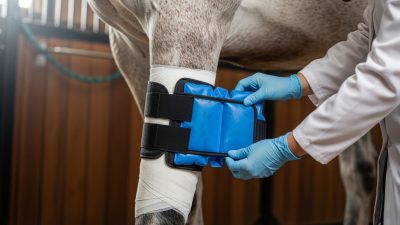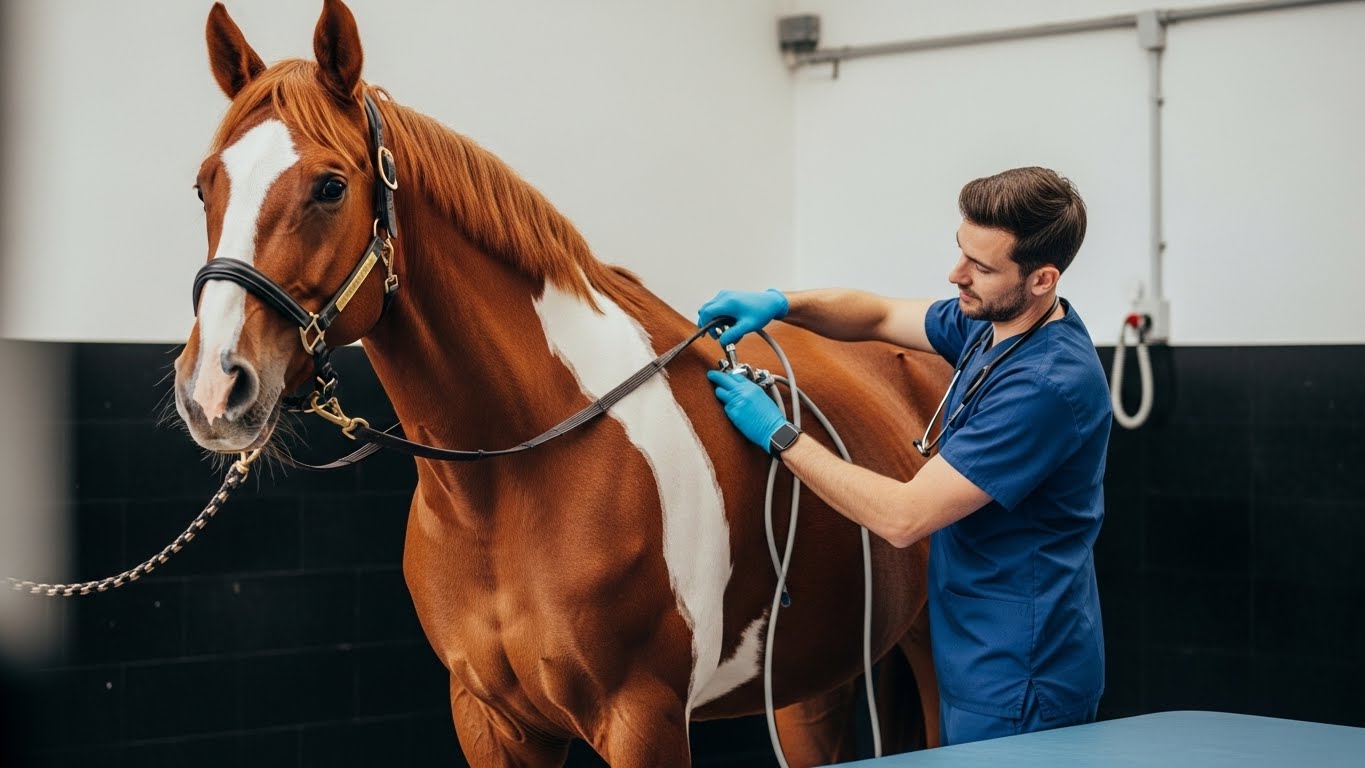
Pain relief for horses presents a unique challenge because, unlike humans, horses don’t always show when they’re experiencing discomfort or may only display subtle signs of pain. At some point in their lives, all horses deal with pain, whether from common conditions like acute colic, degenerative joint disease, laminitis, gastric ulcers, or hoof issues.
We veterinarians have only a small handful of pharmaceutical medications available to treat painful conditions in horses. The three main NSAIDs used for horse pain relief include flunixin meglumine (Banamine), phenylbutazone (Bute), and firocoxib (Equioxx). However, many of these medications are associated with significant unwanted effects. Throughout this guide, I’ll help you identify signs of pain in your horse and explore both pharmaceutical and natural options to provide effective relief while minimizing risks.
Recognizing Pain in Horses
Recognizing pain in horses requires careful observation since these animals naturally hide their discomfort. As prey animals, horses instinctively conceal weakness, making pain detection challenging for even experienced owners.
Common behavioral signs of pain
Horses communicate discomfort through various behavioral changes. Some clear indicators include lameness, abnormal posture, weight shifting between legs, muscle tremors, and unusual sweating patterns. Additionally, horses in pain often display mood changes, decreased appetite, or abnormal reactions to routine activities like grooming or saddling.
More subtle behaviors might include lying down more frequently, grinding teeth, excessive drooling, and weight loss. A horse that bites or stares at a particular body region is essentially pointing to the source of pain, highlighting the critical need for appropriate pain relief for horses. For this reason, sudden behavioral changes should never be dismissed as “bad attitude” or stubbornness.
How to tell if your horse is uncomfortable
The facial area provides valuable clues about a horse’s comfort level. Pay attention to ear position ears held back for more than five seconds during riding might indicate discomfort. Similarly, tense muscles around the eyes, glazed expression, or frequently closed eyes suggest pain.
Mouth movements are equally telling. A horse with its mouth open and tongue sticking out might be experiencing dental pain. Furthermore, inconsistent eating patterns, especially in a typically voracious horse, could indicate ulcers or other internal discomfort.
Changes in posture, such as a hunched back or abnormal weight distribution, often signal spinal, muscular, or abdominal pain. Vital signs also matter an elevated heart rate beyond the normal 28-44 beats per minute might indicate distress.
Using pain scales and observation tools
Veterinary professionals use several validated assessment methods to quantify horse pain. The Horse Grimace Scale evaluates six facial features to detect pain, especially useful for conditions like laminitis and post-surgical discomfort.
Another valuable tool is the Ridden Horse Pain Ethogram, which identifies 24 specific behaviors associated with musculoskeletal pain during riding. When eight or more of these behaviors appear, there’s likely underlying pain.
For regular monitoring, simpler scales like the visual analog scale or numerical rating systems can help track pain progression over time. These tools enable consistent evaluation and communication between veterinarians and owners.

Top Medications for Horse Pain Relief
Managing equine pain requires knowledge of several proven medications. Effective treatment options exist for both acute and chronic pain conditions.
Flunixin Meglumine (Banamine)
Flunixin meglumine stands out as the preferred option for visceral pain, particularly colic. This powerful NSAID works by blocking inflammatory pathways, providing relief within 15 minutes when administered intravenously. For musculoskeletal disorders, the recommended dose is 0.5 mg per pound of body weight once daily, with effects lasting 24-36 hours. Most importantly, never administer this medication intramuscularly, as it can cause tissue damage and severe bacterial infections.
Phenylbutazone (Bute)
Often the first choice for musculoskeletal pain, phenylbutazone (Bute) delivers potent relief for lameness, soft-tissue injuries, and joint problems. The standard dose ranges from 1-2 grams per 500 pounds of body weight daily, never exceeding 4 grams. Research shows higher doses provide no additional pain relief but significantly increase toxicity risks. Consequently, treatment should begin with a higher dose for 48 hours, then taper to the lowest effective maintenance dose.
Firocoxib (Equioxx)
Firocoxib represents a newer class of NSAIDs specifically targeting COX-2 enzymes while sparing protective COX-1 functions. This selective approach results in fewer gastrointestinal complications compared to traditional NSAIDs. Administered once daily at 0.1 mg/kg for osteoarthritis, firocoxib has a remarkably long half-life of 30-34 hours. This makes it particularly valuable for ongoing pain management, though it takes approximately 7 days to reach steady-state concentration.
Acetaminophen and other alternatives
Recent research confirms acetaminophen as a safe, effective alternative for equine pain relief. Studies demonstrate that 30 mg per kilogram twice daily for 21 days produces no adverse effects. Unlike NSAIDs, acetaminophen causes minimal digestive upset, making it ideal for horses with gastric ulcers. Additionally, it absorbs rapidly, providing pain relief within an hour. Though not as anti-inflammatory as phenylbutazone, it offers a gentler option for everyday discomfort, particularly when rotating or combining with other pain medications.
How to Safely Administer Pain Medications
Giving medications to your horse requires skill and patience. The success of any treatment depends largely on ensuring your horse receives the full prescribed dose at the right times.
Oral paste and powder methods
Administering paste medications resembles the process of deworming. Initially, ensure your horse has no feed in its mouth. Stand at the shoulder facing forward, not directly in front. Place one arm under and around the head, holding the muzzle above where the noseband would sit. With your other hand, insert the syringe in the corner of the mouth, directing it toward the back of the tongue.
For reluctant horses, try stimulating the tongue with your finger to encourage opening the mouth. Once the horse opens up, gently slide the syringe back as far as possible. After administering, hold the head up briefly to prevent spitting out the medication.
Powders mixed with feed offer convenience, yet some horses detect medications like phenylbutazone readily. Dampen feed with water or molasses to help powders adhere better. Always check the feed bucket afterward to confirm complete consumption.
Tablet and liquid options
Tablets present unique challenges. Small pills can be hidden in carrots, apples, or commercial pill carriers. Larger tablets often need crushing use a mortar and pestle or coffee grinder dedicated solely to medications.
For crushed medications, mixing with applesauce, honey, or sugar-free options (for metabolic horses) improves palatability. Alternatively, dissolve appropriate tablets in water inside a dosing syringe for direct oral administration.
Why injectable meds require caution
Injectable medications carry significant risks. Most importantly, never administer phenylbutazone intramuscularly it must be given orally or intravenously to avoid severe tissue damage. Likewise, flunixin (Banamine) can cause dangerous clostridial infections when injected into muscle.
Intravenous injections should only be performed by veterinarians or under their direct supervision. The close proximity of arteries and veins in a horse’s neck means accidental arterial injection can trigger immediate seizures.
Always follow your veterinarian’s guidance regarding medication routes, and maintain appropriate safety protocols for both you and your horse during administration.
Risks and Long-Term Considerations
Despite their effectiveness, pain medications for horses come with significant risks that require careful monitoring. Understanding these concerns ensures safer long-term use for your equine companion.
Gastrointestinal and kidney side effects
NSAIDs can interfere with critical kidney and gastrointestinal functions, potentially limiting treatment duration. Studies show that phenylbutazone has the greatest toxic potential among common NSAIDs, with ketoprofen showing the least. The three main side effects include gastroduodenal ulceration, right dorsal colitis (RDC), and renal papillary necrosis.
Signs of toxicity often begin subtly look for decreased appetite, intermittent colic, depression, or increased water consumption. More advanced cases develop protein loss through damaged intestinal walls, leading to ventral edema, weight loss, and diarrhea. Moreover, dehydrated horses face significantly higher risks of kidney damage.
Combining NSAIDs with gastroprotectants
Many veterinarians prescribe gastroprotectants alongside NSAIDs, primarily omeprazole (GastroGard), sucralfate, or supplements like Purina Outlast. Yet recent research has revealed unexpected complications with this approach.
In fact, one study found that 75% of horses receiving combined phenylbutazone and omeprazole experienced intestinal adverse events, compared to only 25% receiving phenylbutazone alone. Above all, never combine different NSAIDs this “stacking” creates effects equivalent to doubling your dose.
When to switch medications
If your horse shows poor response to a particular NSAID, changing to a different one often proves beneficial. As a result of individual sensitivity, horses may respond differently to medications regardless of what research suggests.
Consider switching medications when you observe persistent discomfort, declining blood protein levels, or digestive issues. Blood work monitoring every 6 months helps detect problems before they become serious. For horses with chronic pain requiring long-term management, selective COX-2 inhibitors like firocoxib (Equioxx) generally offer a safer alternative than traditional NSAIDs.
Conclusion
Managing horse pain effectively requires both vigilance and knowledge. Throughout this guide, we’ve explored how horses communicate their discomfort through subtle behavioral changes, facial expressions, and altered postures. Most importantly, understanding these signals enables prompt intervention before conditions worsen.
The medications we’ve discussed flunixin meglumine, phenylbutazone, firocoxib, and acetaminophen each serve specific purposes in equine pain management. Your selection should depend on the type of pain, duration of treatment needed, and your horse’s individual health status. Certainly, no single approach works for every situation, which makes partnering with your veterinarian essential for developing appropriate treatment plans.
Safe administration techniques significantly impact treatment success. Whether using oral pastes, powders, tablets, or liquids, ensuring your horse receives the full prescribed dose at the right time maximizes therapeutic benefits while minimizing risks.
Long-term pain management presents additional challenges. The potential side effects of NSAIDs, particularly on the gastrointestinal tract and kidneys, necessitate regular monitoring and possible medication adjustments. Regular blood work, careful observation, and quick response to any concerning signs will help protect your horse during extended treatment periods.
Pain relief for horses ultimately becomes a balancing act between effective management and safety considerations. As horse owners and caretakers, our responsibility extends beyond simply treating pain we must also preserve our horses’ overall health and quality of life. Therefore, combining pharmaceutical interventions with appropriate management practices offers the most comprehensive approach to keeping our equine partners comfortable and thriving despite painful conditions.