


Nearly 15.4 percent of American adults approximately 39 million people struggle with substance use disorders each year. Drug-free recovery for horses has emerged as a powerful solution for those seeking healing beyond traditional medication-based treatments.
In fact, equine therapy (also known as equine-assisted therapy or horse therapy) has gained significant attention for its remarkable ability to improve personal confidence, self-esteem, and physical well-being. What makes this approach so effective? Preliminary data shows a 40 percent drop in weekly cravings after just six equine therapy sessions, while the Centers for Disease Control and Prevention notes several benefits from human-animal bonds, including decreased blood pressure, lower cholesterol levels, and reduced feelings of anxiety, loneliness, and depression.
Throughout this article, we’ll explore how these majestic animals are helping people overcome addiction through natural methods that support healing without medication. From groundwork exercises to emotional regulation techniques, we’ll examine the scientific foundations and practical applications of equine therapy that make it an increasingly valuable tool in the recovery process.
Natural Equine Methods for Drug-Free Recovery
Unlike traditional recovery approaches, equine therapy emphasizes hands-on interaction with horses through structured activities that don’t require medication, offering a path to drug-free recovery for horses. These methods create powerful healing opportunities through the horse-human connection.
Groundwork and grooming as therapy
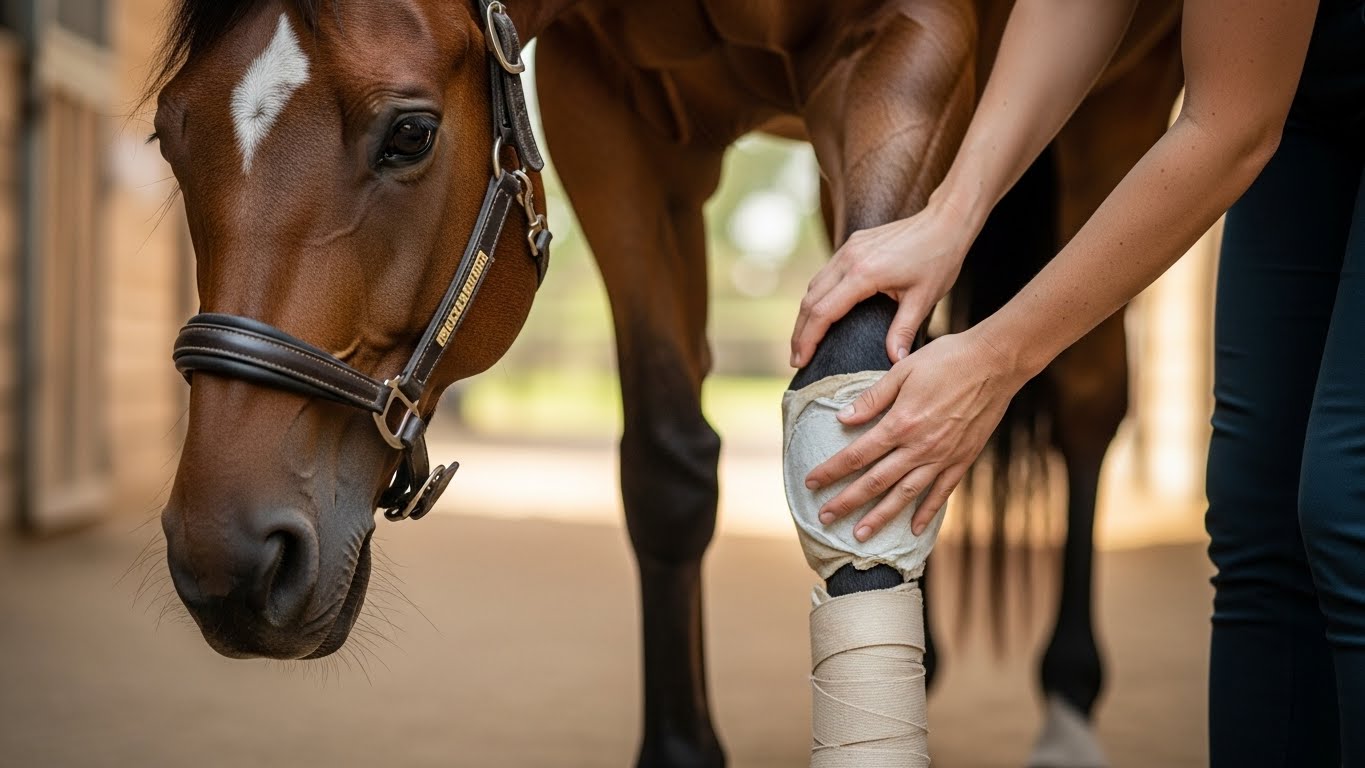
Grooming sessions serve as more than just horse care they become therapeutic experiences that engage multiple senses. During these sessions, participants experience tactile and olfactory input that helps address sensory needs. The physical act of brushing horses improves motor skills, coordination, and balance. Furthermore, grooming activities can mirror self-care goals, helping individuals develop healthy personal routines.
Leading and bonding exercises
Leading exercises establish the foundation for communication between humans and horses. These activities teach participants to practice starting, stopping, turning, and backing up. Subsequently, these interactions become catalysts for emotional growth, self-discovery, and developing skills like emotional regulation, trust, and responsibility.
Simple bonding activities produce significant results:
- Sitting quietly in a horse’s paddock or stall helps establish presence and connection
- Taking guided walks with horses introduces them to new environments while building trust
- Learning vital signs and basic horse care creates deeper understanding
Non-riding therapeutic activities
Many effective equine therapy programs focus entirely on groundwork without riding. These unmounted activities include:
Setting up obstacles like poles, cones, or small jumps for horses to navigate improves coordination and responsiveness. Additionally, stable activities like cleaning stalls provide heavy work that builds physical strength.
Exercises like backing uphill strengthen the horse’s muscles and improve coordination. Despite being physically demanding, these activities are conducted with a “code of kindness” that allows each person to decide their level of involvement.
The rhythmic, mindful nature of these activities has measurable physical benefits reducing blood pressure and heart rate. Moreover, through caring for horses’ needs, participants learn responsibility, routine-building, and patience.
Scientific and Emotional Foundations
The profound connection between humans and horses creates measurable neurological changes that support healing without medication. Research confirms equine-assisted therapy produces biological and psychological benefits that conventional treatments often struggle to achieve.
How horses influence brain chemistry
Interacting with horses triggers the release of crucial neurotransmitters in the human brain oxytocin (the “love hormone”), serotonin, and dopamine which generate feelings of safety, happiness, and connection. Simultaneously, time spent with horses reduces cortisol levels, our primary stress hormone, alleviating feelings of fear, anxiety, and depression.
Horses possess remarkable electromagnetic sensitivity; their hearts generate an electromagnetic field significantly larger than humans, which can have a calming effect on our nervous system. Brain activity studies reveal that people in better welfare states show increased gamma responses (excitement) to positive equine interactions, whereas those with poorer welfare states display increased theta activity (alarm) when exposed to negative stimuli.
Research on equine-assisted therapy
Clinical studies demonstrate equine therapy’s effectiveness across multiple conditions. One landmark study published in the Journal of Clinical Psychiatry found veterans with PTSD experienced a significant 50% reduction in symptoms just three months after treatment. Another study revealed improved sleep quality on therapy days, alongside enhanced motor function and cognitive capabilities.
Research from Columbia University’s Man O’ War Project the first university-led study evaluating equine therapy for veterans confirms these findings, noting substantial improvements in patients’ ability to regulate emotions and build trust. Importantly, researchers have documented “no negative effects” in patients treated with equine therapy.
Emotional regulation through horse interaction
Horses function as living biofeedback mechanisms they mirror and reflect human emotions with remarkable accuracy. Their prey nature makes them extraordinarily attuned to subtle changes in human emotional states, immediately responding to authentic feelings rather than pretense.
This honest feedback creates a powerful learning environment that fosters emotional congruence. When people work with horses, they develop present-moment awareness, emotional honesty, and boundary-setting skills. A recent study at Sierra Tucson demonstrated increased heart rate variability (a measure of emotional regulation capacity) correlating directly with the number of equine therapy sessions attended.
Vocational and Lifestyle Integration
Beyond therapy sessions, equine interactions develop crucial life skills that translate directly to vocational settings and everyday routines offering an essential bridge between recovery and long-term independence.
Daily routines and responsibilities
Working with horses naturally establishes consistent daily structure. Horses thrive on predictable schedules, requiring care at specific times each day. This consistency becomes a powerful recovery tool as participants learn feeding, grooming, and wellness checks all vital components of a structured lifestyle.
The predictable nature of equine care creates stability; horses need attention regardless of a person’s emotional state that day. As one participant noted: “I wanted to be here in the morning because it helped me to get up in the morning and to help feed the horses… It really helped a lot on structuring my daily life”. Consequently, this routine-building transfers directly to maintaining consistent schedules necessary for work and independent living.
Learning transferable job skills
Equine work develops multiple employable skills. First, the meticulous attention required for horse care fosters responsibility and accountability traits employers consistently seek. Second, participants develop communication abilities through interpreting horse behavior and working within care teams.
Other valuable workplace skills include:
- Problem-solving in real-time situations
- Teamwork and leadership development
- Clear verbal and non-verbal communication
- Time management and organization
Essentially, these skills remain in high demand across industries. According to rehabilitation specialists, “basic equine handling” ranks as the most selected skill required in equine rehabilitation positions.
Building confidence through work with horses
Mastering horse care creates profound confidence. Successfully completing tasks like leading exercises, managing feeding routines, or solving unexpected challenges produces measurable self-assurance.
This confidence-building follows a natural progression. Initially, participants complete basic care tasks under supervision. Gradually, they assume more responsibility, ultimately developing the self-reliance necessary for independent work. One rehabilitation program reports participants become “more active and engage in different things, such as education, work, or social activities” following equine therapy.
This newfound confidence extends beyond the stable participants report improved ability to navigate public transportation, attend social events, and pursue new opportunities.
Making Equine Therapy Accessible
Accessing equine therapy requires understanding what program structure fits your recovery needs. Currently, various options exist that accommodate different lifestyles and recovery stages.
Outpatient vs. residential programs
Equine-assisted therapy can be delivered through multiple formats. Outpatient programs allow participants to engage in horse-based activities for a few hours weekly while maintaining their daily routines. Conversely, residential programs incorporate daily equine interactions over one to three months as part of comprehensive treatment. Research indicates more than 50% of participants in structured equine therapy programs show marked reductions in PTSD and depression symptoms. Groups are intentionally kept small to ensure one-on-one interaction between participants and horses.
Safety and ethical care of horses
Quality equine therapy prioritizes both human and horse welfare. Legitimate programs employ practitioners certified by organizations like PATH International or EAGALA. Ethical standards mandate that horses must have daily access to quality fiber, water, free movement, and social interaction with other horses. Notably, proper equine therapy requires accurately interpreting horse behavior, communication needs, and signs of stress or fatigue. These considerations protect both participants and animals during therapeutic activities.
Who benefits most from this approach
Equine therapy particularly helps those struggling with conventional treatments. Veterans with PTSD experience significant symptom reduction. Individuals with substance use disorders show improved treatment retention and completion. Furthermore, people with anxiety, depression, and trauma histories often find breakthrough experiences when traditional methods have failed.
Conclusion
Equine therapy stands as a powerful testament to the healing potential that exists beyond traditional medication-based approaches. Throughout this exploration, we have seen how groundwork, grooming, and bonding exercises create meaningful connections that support recovery. These natural methods work because horses respond genuinely to human emotions, therefore creating a unique therapeutic environment impossible to replicate with conventional treatments alone.
Science undoubtedly backs these observations. The release of oxytocin, serotonin, and dopamine during horse interactions provides neurological support for healing, while reduced cortisol levels help manage stress and anxiety. Research consistently shows significant improvements for participants from veterans experiencing PTSD symptom reduction to individuals developing crucial emotional regulation skills.
Additionally, the structure and routine of horse care translate directly into life skills. Daily responsibilities, problem-solving opportunities, and communication development become transferable assets for employment and independent living. Many participants report newfound confidence that extends far beyond the stable environment.
Whether through outpatient programs that complement existing routines or immersive residential experiences, equine therapy offers flexibility for different recovery needs. The most remarkable aspect remains how this approach benefits those who previously struggled with traditional treatments. While not a replacement for all medical interventions, equine therapy certainly deserves recognition as a valuable component in the recovery journey one that connects us to these magnificent animals and, ultimately, to our own capacity for healing.