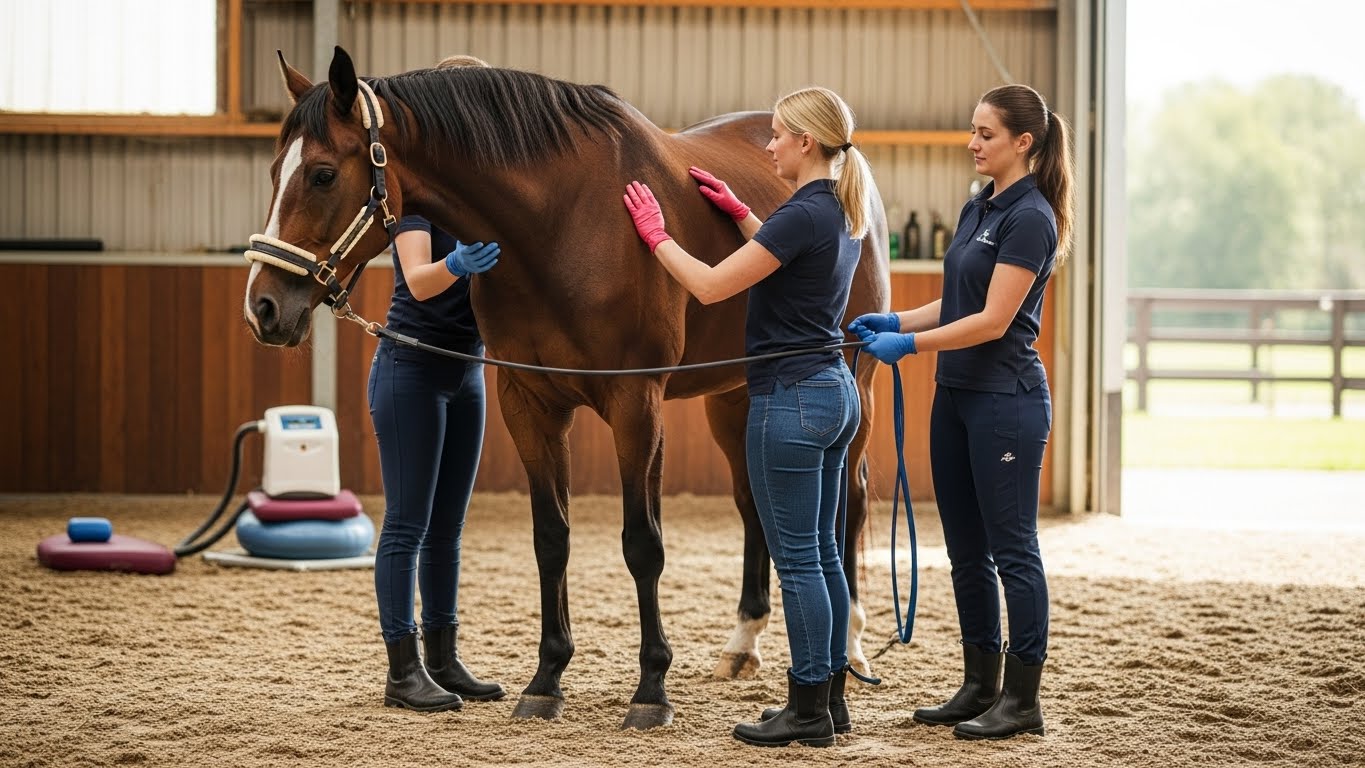
Inflamed tendons, ligaments, and muscles are extremely common in horses, making it essential to know how to reduce inflammation in horses effectively. Swollen legs frequently occur when horses stand for long periods, while traumatic injuries like cuts, bruises, strains, and fractures can also trigger inflammatory responses. As horse owners, we understand that while inflammation is necessary for healing, excessive or prolonged inflammation can have significant repercussions on our equine companions.
When dealing with chronic inflammation, which is a component of many equine disease states, we need a comprehensive approach. Furthermore, edema (visible fluid accumulation in tissues) often forms following trauma or surgery and can delay the body’s natural recovery process. The three main NSAIDs for horses flunixin meglumine, phenylbutazone, and firocoxib work by inhibiting certain enzymes that play a role in pain sensation during inflammation. Additionally, excess body fat is linked to systemic inflammation, highlighting the importance of proper nutrition and weight management.
In this guide, we’ll explore proven methods to reduce inflammation in horses through dietary adjustments, supplement options, medication considerations, and preventative strategies to keep your horse healthy and comfortable for the long term.
How the Immune System Triggers Inflammation
The immune system in horses functions as a sophisticated defense network that protects against harmful agents. Understanding how this system operates helps us develop better strategies to reduce inflammation in horses.
Role of white blood cells in horses
White blood cells (leukocytes) serve as the primary defenders against infection in horses’ bodies. These cells are divided into two main categories: phagocytes and lymphocytes. Phagocytes, including neutrophils, eosinophils, and basophils, consume foreign particles, cellular waste, and bacteria by surrounding and destroying them.
Neutrophils specifically target bacteria and fungi, whereas eosinophils and basophils focus on allergic reactions and parasite defense. Monocytes travel through the bloodstream and transform into macrophages when they enter tissues, where they consume larger foreign particles and cellular debris.
Lymphocytes, on the other hand, recognize “non-self” antigens and develop into T cells, B cells, or natural killer cells. T cells combat viral infections and cancers, while B cells produce antibodies that mark invading organisms for elimination by the immune system.
The inflammatory response explained
When a pathogen enters a horse’s body, the immune system immediately alerts all its components. First, it initiates a general attack by producing cytokines and other immune mediators that attract and activate immune cells. These cytokines signal the brain and body to send combat supplies to the affected area.
Consequently, blood flow increases to the region, causing redness, swelling, and heat the classic signs of inflammation. This process brings essential cells, nutrients, and cytokines necessary for tissue repair. Simultaneously, pain occurs as part of the inflammatory signaling, and heat develops either locally or as fever to create an unfavorable environment for invaders.
Acute vs. chronic inflammation
Inflammation essentially falls into two categories: acute and chronic. Acute inflammation arises suddenly and typically lasts less than 30 days, characterized by rapid hyperemia and exudative changes. It serves as the body’s immediate response to injury or infection, with immune cells quickly surrounding and protecting the affected area.
In contrast, chronic inflammation begins slowly and continues for more than 30 days. This type can be both the effect and cause of various disease processes. Notably, chronic inflammation can start in one specific area but, if unchecked, may have negative consequences throughout the horse’s body. Common causes include infections, allergies, injuries, cancer, and metabolic diseases. Unlike acute inflammation which promotes healing, excessive chronic inflammation often damages healthy tissue and contributes to conditions like laminitis, gastric ulceration, and equine metabolic syndrome.
Building an Anti-Inflammatory Diet
Nutrition plays a significant role in managing inflammation in equine bodies. By creating a balanced anti-inflammatory diet, we can help horses maintain optimal health and prevent chronic inflammation that contributes to numerous health issues.

Forage-first feeding approach
A forage-first approach honors the natural digestive anatomy of horses, with approximately 60% of their digestive tract volume dedicated to forage fermentation. Quality pasture or hay should form the foundation of every horse’s diet, primarily because horses evolved eating high-fiber diets. Horses ideally should consume at least 1.5% of their body weight daily as forage about 18 pounds for a 1,200-pound horse. Moreover, this approach promotes constant foraging, leading to more consistent feed intake and reduced risk of gastric ulcers associated with intermittent grain feeding.
Low-starch, high-fiber concentrates
Research from Sam Houston State University revealed that high-starch meals increase interleukin 1b, a potent inflammatory marker. Indeed, this study found both overweight and older horses had higher levels of inflammatory markers after consuming diets high in starch. Therefore, select feeds high in fiber, low in starch, and moderate in fat pelleted feeds with minimal molasses are ideal for reducing sugar intake. For horses needing additional calories, consider digestible fibers, fatty food sources, and varied proteins rather than starchy grains.
Importance of hydration and clean feed
Water makes up about 65% of a mature horse’s body weight approximately 85 gallons for a 1,000-pound horse. An inactive horse in a cool environment may drink 7-10 gallons daily, whereas in hot or humid conditions, consumption might exceed 20 gallons. Proper hydration supports all metabolic and inflammatory processes. Exercise increases water needs due to sweating; racehorses can lose up to three gallons during routine workouts.
Avoiding inflammatory triggers in feed
To reduce inflammation, firstly eliminate these common triggers:
- Sweet feeds and high-starch grains (corn, oats)
- Feeds high in omega-6 fatty acids (rice bran, soy products) which are pro-inflammatory
- Moldy or dusty forage that introduces mycotoxins
The typical modern diet provides up to 18 times more omega-6 than omega-3 fatty acids. In contrast, the natural grazing diet offers a ratio of 5:1 omega-3 to omega-6 fats in pasture grasses. This imbalance contributes to chronic inflammation and should be addressed through appropriate supplementation.
Supplements That Help Reduce Inflammation in Horses
Beyond proper nutrition, targeted supplements can effectively reduce inflammation in horses. These natural alternatives support recovery and maintain joint health for equines of all ages.
Omega-3 fatty acids (EPA & DHA)
The omega-3 fatty acids particularly EPA and DHA directly support lower inflammation levels throughout a horse’s body. The proper balance between omega-3 and omega-6 fatty acids is crucial, as most equine diets contain excessive omega-6s. Studies show omega-3 supplementation decreases coughing by 60% in horses with respiratory issues and significantly lowers joint inflammation markers. DHA from microalgae has proven especially effective for arthritic horses by increasing stride length.
MSM and its benefits
Methylsulfonylmethane (MSM) is a naturally occurring sulfur compound that supports joint health while reducing inflammation. MSM helps synthesize glutathione, an important intracellular antioxidant. Research demonstrates that MSM supplementation reduces exercise-induced oxidative stress and improves recovery time. Standardbreds receiving 20g daily showed a 2.62-second improvement in training times.
Hyaluronic Acid and joint support
Hyaluronic acid (HA) is vital for maintaining joint fluid quality. Although less effective at reducing acute inflammation symptoms than corticosteroids, HA better preserves cartilage and synovial fluid. HA can be administered intravenously or directly into the joint, though some horses experience post-injection inflammation.
Glucosamine and chondroitin
These compounds support joint health by helping repair cartilage and maintaining elasticity. Research confirms they promote cartilage repair and improve joint function. One study found significant differences in lameness assessment and inflammation markers between treated and control groups.
Herbal options: Turmeric, Boswellia, Devil’s Claw
Turmeric contains curcumin, a potent anti-inflammatory compound particularly helpful for arthritic conditions. Boswellia (Indian Frankincense) maintains healthy joints and smooth movements. Devil’s Claw treats joint pain and inflammation but often appears on banned substance lists for competition. Despite concerns about digestive irritation, research shows these herbs don’t worsen gastric ulcers.
Long-Term Strategies for Inflammation Prevention
Preventing inflammation in horses requires a comprehensive management approach that extends beyond diet and supplements. Effective long-term strategies focus on the whole horse’s environment and lifestyle.
Managing exercise and recovery
Properly planned training prevents excessive oxidative stress that can trigger inflammation and increase injury risk. Even horses not in regular training can develop inflammation if pushed beyond their limits. Following intense exercise, immediate cooling strategies like leg icing effectively reduce pain and inflammation. Studies show that iced legs can be 11° Fahrenheit cooler after just 20 minutes of treatment. Subsequently, applying clay-based poultice and proper compression bandages helps maintain reduced inflammation overnight.
Environmental stress reduction
Maintaining consistent routines significantly decreases stress-induced inflammation. Horses experience stress through both physical stressors (injury, exertion) and psychological stressors (anxiety, fear). Hence, management programs should focus on practices that minimize chronic inflammation triggers, such as decreasing grain consumption, offering free access to forage, increasing turnout time, and keeping consistent equine companions.
Parasite control and dental care
Regular dental care is essential for horses’ comfort and longevity. Floating (rasping teeth to balance dental arcades) prevents sharp points that cause mouth ulcers, gastric issues, and inflammatory responses. Equally important is a strategic parasite control program combining management practices with appropriate chemical treatments. Non-chemical methods like avoiding overstocking, cross-grazing pastures with other species, and removing manure every 24-72 hours help break parasite lifecycles.
Using diagnostics like blood and hair analysis
Complete blood counts can help detect inflammation, yet current reference intervals aren’t specifically designed for this purpose. Regarding nutritional deficiencies, bloodwork provides a snapshot of current mineral status, whereas hair analysis reflects past months. Neither method perfectly identifies deficiencies, as minerals like calcium are tightly controlled in blood regardless of body stores. Instead, diet evaluation remains the most effective approach to assess and correct potential inflammatory triggers.
Conclusion
Inflammation management requires a holistic approach rather than relying on a single solution. Throughout this article, we’ve explored how inflammation occurs naturally in horses as part of the healing process, though excessive inflammatory responses can lead to significant health complications. Diet stands as the foundation of inflammation control, with a forage-first approach and low-starch feeds creating the basis for a healthier horse.
Supplements also play a crucial role, especially omega-3 fatty acids that help balance the excessive omega-6 content in modern equine diets. MSM, hyaluronic acid, glucosamine, and certain herbs provide additional support for joints and overall inflammatory regulation. However, supplements alone cannot replace proper management practices.
Long-term prevention strategies must address the entire lifestyle of your horse. Proper exercise plans with adequate recovery periods, stress reduction through consistent routines, regular dental care, and effective parasite control all contribute significantly to reducing inflammatory triggers. Blood and hair analyzes serve as useful tools, though diet evaluation remains the most reliable method for identifying potential issues.
Therefore, successful inflammation management combines nutritional wisdom, targeted supplementation, and mindful daily practices. Your horse will benefit most from this balanced approach that addresses both acute symptoms and underlying causes. The effort invested in preventing inflammation pays dividends through improved performance, comfort, and ultimately, a longer, healthier life for your equine companion.