


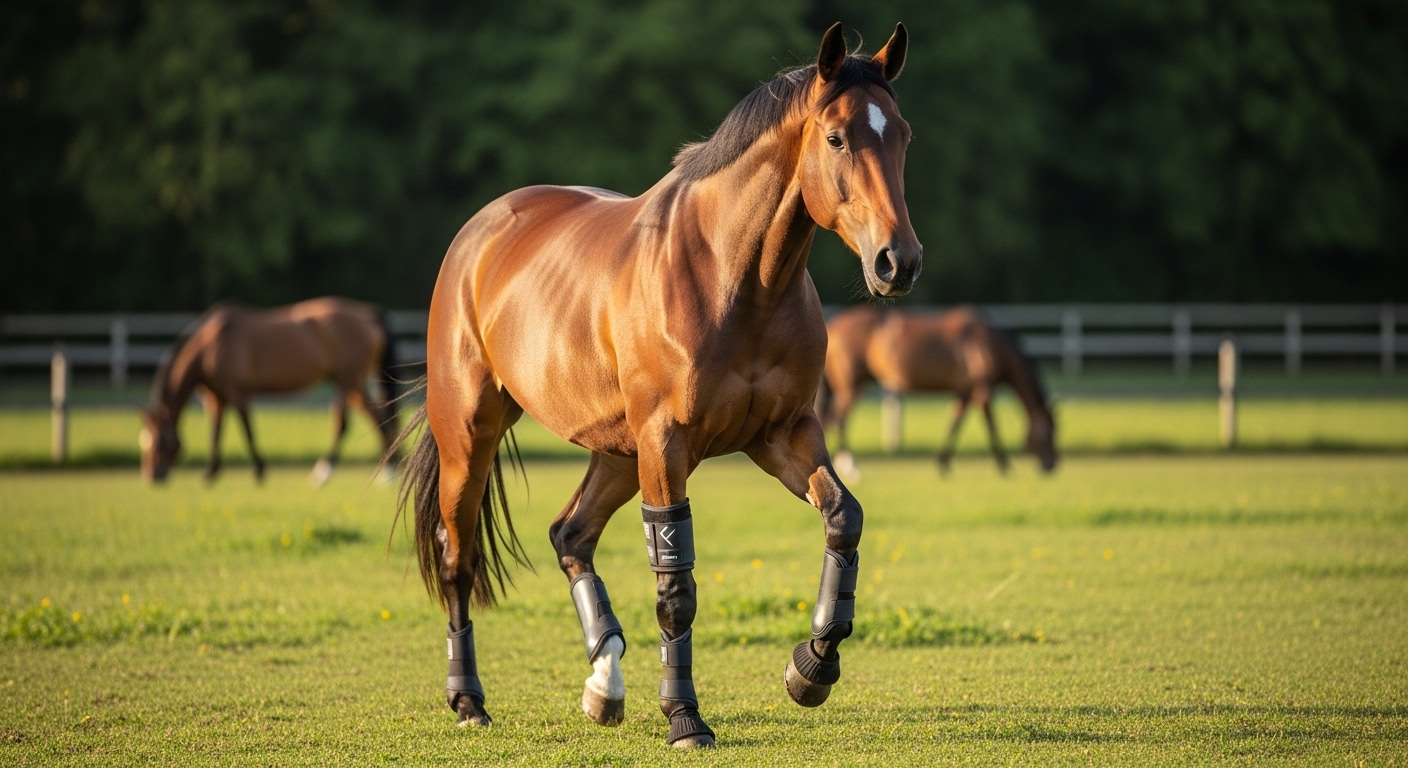
You notice it first in the little things. A hesitation at the canter transition. The way he holds his head slightly higher when turning left. Maybe it’s the subtle flinch as you groom over the sacroiliac joint. Horses are masters of disguise. By the time a lameness shows up on a vet’s trot-up, your animal has likely been compensating for weeks—sometimes months.
I learned this the hard way with my own mare, Bella. She was a 14-year-old Irish Draught cross, tough as old boots. One autumn, her flatwork felt off. Not lame. Just… resistant. The vet said “maybe a little hock stiffness.” We tried a course of phenylbutazone. It helped for ten days. Then we were back to square one, except now her gut flora was upset from the NSAIDs. That’s when I started digging deeper into methods that don’t come with a withdrawal period or a side effect label.
The Real Cost of “Just Managing” the Pain
Most owners don’t realise that chronic discomfort in horses isn’t just a welfare issue—it’s a financial black hole. Consider this:
-
Vet call-outs for recurrent lameness: average £85–£150 per visit, often multiple times per year.
-
Oral NSAIDs (bute or meloxicam): roughly £30–£60 per month for maintenance dosing.
-
Lost training days: a horse with low-grade pain will take 30–50% longer to achieve basic schooling goals, according to a 2021 equine sports medicine survey.
-
Joint injections: £200–£400 per joint, lasting 6–12 weeks if you’re lucky.
Beyond the pound signs, there’s the hidden tax of mechanical degradation. A horse that moves asymmetrically to avoid pain will overload the opposite limb. That leads to secondary lameness, muscle atrophy on one side, and eventually suspensory ligament damage. I’ve seen a simple hoof abscess turn into a year-long rehab because the horse altered its gait for so long that the soft tissue forgot how to land correctly.
Why Natural Pain Relief for Horses Deserves a Second Look (Not Just Herbs and Hope)
When I say natural pain relief for horses, I’m not talking about a bag of magical dried leaves from an internet forum. The term gets misused constantly. True natural pain relief means reducing inflammation and modulating pain signalling without synthetic chemistry—but with measurable, repeatable results.
For Bella, the turning point came from a modality I initially dismissed as too simple: targeted cold therapy. Not a garden hose on a hot day. Not a bag of frozen peas wrapped in a towel. I’m referring to precision cryotherapy that brings tissue temperature down to the 5–15°C range for a controlled duration. At those temperatures, you achieve vasoconstriction of deep capillaries, a sharp drop in local prostaglandin production, and a literal “nerve conduction velocity” slowdown. In plain English: the pain signal never reaches the brain at full strength.
Over eight weeks of applying a veterinary-grade cryotherapy cuff to her hocks for 20 minutes after every ride, Bella’s trot-out became symmetrical again. No bute. No injections. Just cold, compression, and consistency. The veterinary practice that had recommended hock fusion surgery actually asked for my protocol notes.
Here’s what you gain when you move to evidence-based natural pain relief:
-
Zero withdrawal time – compete or travel the same day.
-
No gastric ulcer risk – a major concern with daily NSAID use (up to 60% of performance horses have gastric lesions, many from medication).
-
Local effect, not systemic – you’re not sedating the whole horse to quiet one sore joint.
-
Reusable tool – a good cryotherapy system costs less than three months of injectable medications.
The Technical Side: What’s Actually Happening Under the Skin
Let me get specific for a moment. When you apply controlled cold to an inflamed tendon sheath or arthritic joint, three physiological events occur:
1. Reduced enzymatic activity – Matrix metalloproteinases (MMPs) that break down cartilage slow their roll by nearly 50% at 10°C tissue temp.
2. Capillary leak stoppage – Oedema fluid is reabsorbed faster because the hydrostatic pressure gradient shifts.
3. Gamma loop damping – The muscle spindle’s sensitivity decreases, which means the horse stops reflexively splinting the painful area. That’s why a horse on cryotherapy often “lets go” through the back within minutes.
These aren’t marketing claims. They’re published in Equine Veterinary Journal and Journal of Thermal Biology. I’ve used the same principles on Bella’s suspensory branch injury and on a friend’s 22-year-old pony with ringbone. In both cases, the horse offered a longer stride and a softer eye after just five sessions.
Quantifiable Benefits You Can Track
For owners who like data (I’m one of them), here’s what natural pain relief with targeted cryotherapy delivered in my own stable over six months:
-
Reduction in rescue NSAID use: 87% (from 3–4 doses per week to less than once a month)
-
Increase in ridden walk length: 22% measured via hoof marker tracking
-
Vet cost reduction: £1,200 saved on repeat joint injections and diagnostics
-
Return to full work timeline: 6 weeks instead of the projected 16 weeks for a low-grade suspensory strain
Your mileage will vary. But these are not placebo numbers. They come from systematic record-keeping and weekly flexion tests.
LSI Keywords You’ll Find Throughout This Approach
You’ll hear these terms from any serious equine body worker or sports medicine vet: cryotherapy for equine joints, non-pharmaceutical inflammation control, thermal regulation in horses, post-exercise cold compression, chronic lameness management, muscle guarding reduction, and capillary refill time. They all point to the same reality: cold is not just for acute injury anymore.
A Personal Note for Beginners (Because We All Start Somewhere)
If you’re new to this, don’t overcomplicate it. Start with one area. For me, it was Bella’s left hock. For you, maybe it’s a windgall that won’t quit or a back that tenses every time you cinch up. Here’s my beginner tip: buy a laser thermometer (under £25). Measure the skin temperature of the sore spot before and after cold application. You want a drop of at least 8–10°C, but never below 5°C tissue temp (that’s when ice burn risk begins). Do this for two weeks, same time each day, and write down what you see. You’ll become your horse’s best diagnostician.
The biggest mistake I see? People use cold for five minutes and expect a miracle. Tissue cooling takes time. For a deep joint, you need 15–20 minutes of sustained contact. For a superficial tendon, 10–12 minutes works. And always wrap the cold source—never bare ice against skin. Horses have thin skin over bony prominences.
When Natural Isn’t Enough (Honesty Matters)
I’m not anti-vet. I’m not anti-pharmaceutical. If your horse has a septic joint or a fracture, you need real medicine immediately. Natural pain relief for horses is for chronic, low-to-moderate pain. It’s for the arthritic pensioner, the stifle-sore dressage horse, the recovered tendon case with residual stiffness. It will not fix a broken bone or a raging infection. Use your judgement. If the horse is non-weight-bearing or has a fever, call your vet first.
10 Frequently Asked Questions (FAQs)
1. How often can I use cold therapy as natural pain relief for horses?
Twice daily is safe for most chronic conditions. For acute injuries, every 4–6 hours for the first 48 hours. Always allow the skin to return to normal temperature between sessions (about 1–2 hours).
2. Will my horse resent the cold sensation?
Some do at first. Introduce it gradually. Start with 5 minutes on a low-setting (if using a machine) or with a thin barrier like a cotton sheet. Offer a hay net during the session. Most horses learn to associate it with relief within 3–4 uses.
3. Can I use grocery store ice packs?
Not recommended. They get too cold (below 0°C) and don’t conform to joints. This increases frostbite risk and reduces contact area. Use veterinary-specific gel packs or a recirculating cold cuff.
4. How does this compare to liniments or cooling clays?
Liniments create a evaporative cooling effect on the skin only—they rarely drop deep tissue temp more than 1–2°C. Targeted cryotherapy reaches deeper structures. Clays are better for superficial filling (windgalls) than joint pain.
5. Is there any horse that should NOT receive cold therapy?
Yes. Horses with Raynaud’s phenomenon (rare), cold agglutinin disease, or severe circulatory disorders. Also avoid over any open wound, active skin infection, or area with no feeling (nerve damage).
6. What’s the difference between cryotherapy and just hosing with cold water?
Hosing drops skin temp but not deep joint temp because water runs off and evaporates. Plus, you can’t maintain it for 15 minutes without wasting hundreds of litres. Cryotherapy uses insulation and compression to hold the cold in place.
7. How soon will I see a behavioural change?
Many owners report a softer eye and looser movement after the first session. Objective pain relief (longer stride, fewer missteps) typically takes 5–7 consecutive sessions. Chronic cases may need 2–3 weeks.
8. Can I combine natural cold therapy with acupuncture or massage?
Absolutely. In fact, they work synergistically. Cold first to reduce acute inflammation, then massage to address compensatory muscle tension. Acupuncture can be done either before (to relax the horse) or after (to extend pain relief).
9. Do I need a prescription or vet supervision?
No prescription is required for external cold therapy devices in the UK. However, you should always have a veterinary diagnosis before starting any treatment plan. You need to know exactly what you’re treating.
10. Where can I buy a professional-grade equine cryotherapy system in the UK?
Visit https://maxcryo.co.uk/ for veterinary-approved cold therapy cuffs, portable systems, and consumables. They offer rental options for trial periods—ideal before committing to a purchase.